Ninh Binh, or the Morning I Stopped Taking Photographs
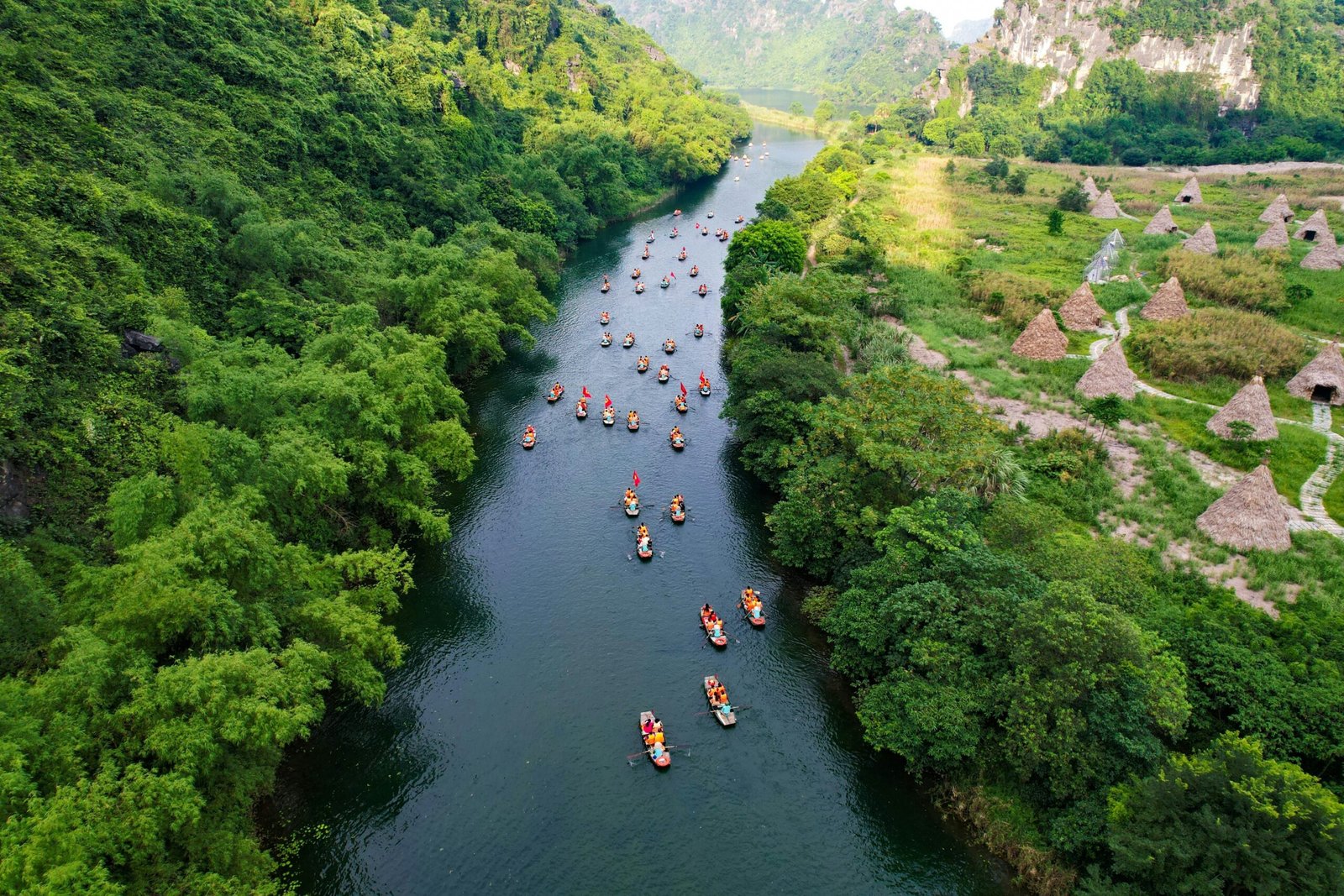
The second morning puts you in Ninh Binh, and the first time I did this journey, the landscape here made me put my phone away.
You board a wooden sampan on the waterways of the Trang An Landscape Complex. This is the first mixed heritage site UNESCO ever inscribed in Southeast Asia, recognised in 2014 for both its natural drama and its cultural weight. The local oarsmen, many of whom propel the boats with their feet using the region’s distinctive foot-rowing technique, navigate routes their families have worked for generations. The limestone karsts rise straight up out of the water, the caves you pass through cut the light in half, and the whole landscape has the quality of something invented and then forgotten to be made believable. Some places resist being flattened into a screen.
A Cave Older Than the Idea of Time
Day three is Quang Binh. It is the oldest large-scale karst landscape in Asia. The limestone here started forming approximately 400 million years ago, a figure that means very little until you are standing inside it. The park contains more than four hundred caves and Son Doong, the largest cave in the world by volume, large enough to hold a 40-storey building and generate its own weather system inside itself. You will not be going to Son Doong on the SJourney. Permits are extraordinarily limited, and the expedition takes four days on foot, neither of which suits the itinerary.
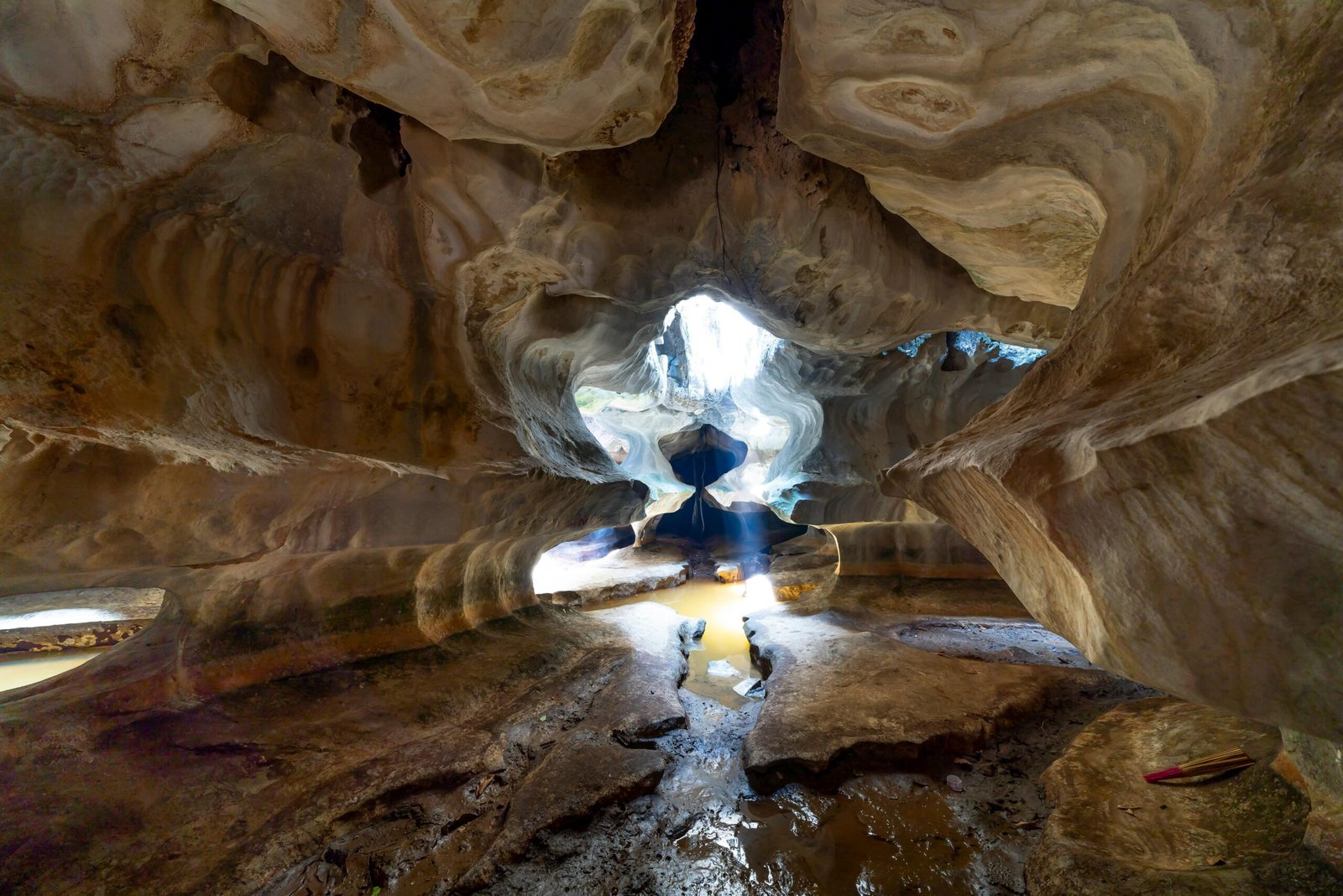
What you will do is take a boat along the Son River into Phong Nha Cave itself. Nearly eight thousand metres long, fourteen grottoes, and a subterranean river that has been flowing in absolute darkness for longer than human beings have been a species. British cave researchers who first mapped it in the 1990s catalogued its stalactite formations as among the most remarkable they had documented anywhere, and I confess to having been quietly sceptical of that ranking until I saw them in person. I am no longer sceptical.
"The river inside Phong Nha Cave has been flowing in the dark since before our species had a name for darkness."
The BBQ back near the river that evening is a quietly beloved part of the itinerary for reasons I prefer not to explain. It is better to arrive without expectation.
Hue and My Favourite Piece of Sabotage in Vietnamese History
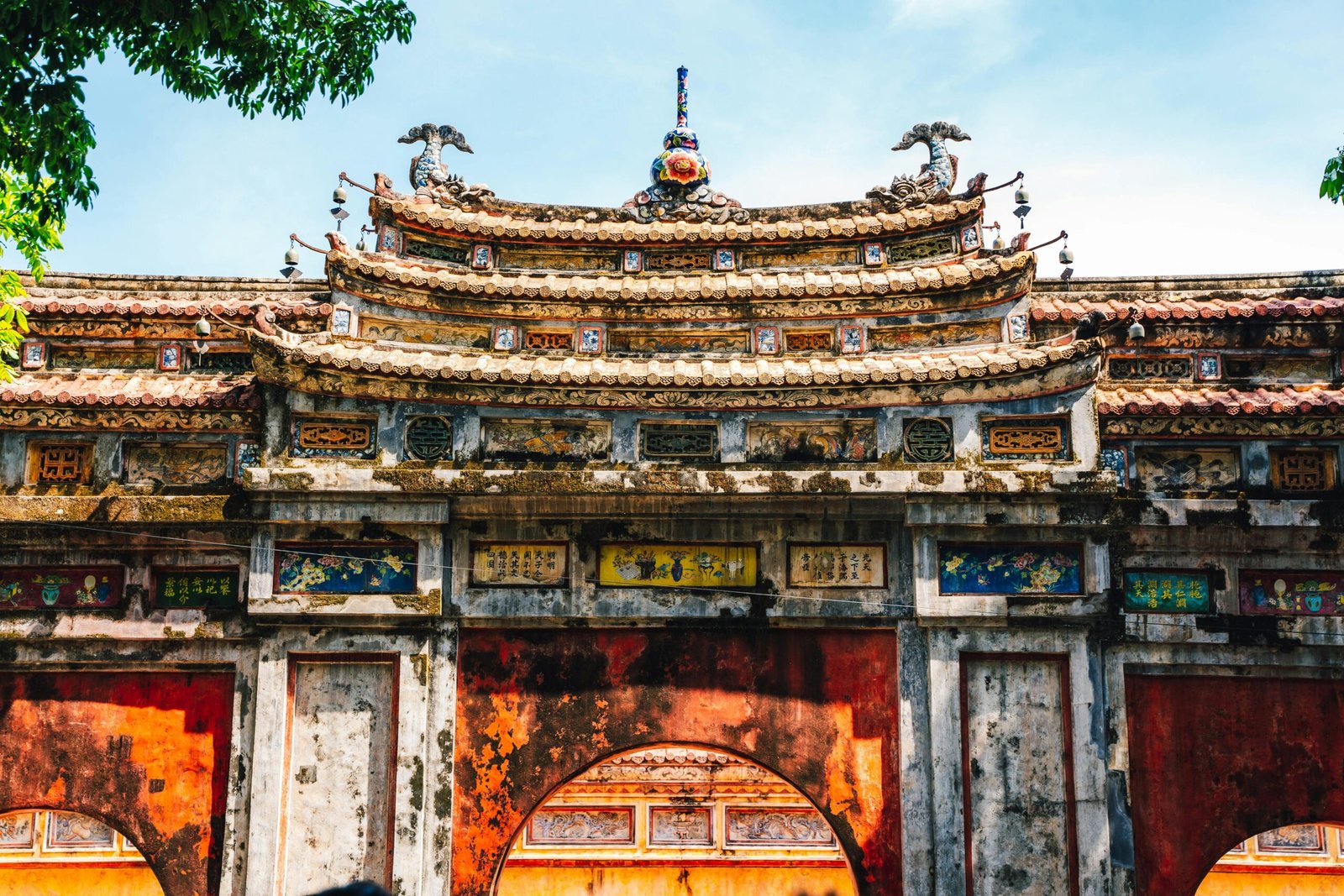
Of all the stops, Hue is the one I hope our guests will slow down for. It was the imperial capital of the Nguyen dynasty, Vietnam’s last ruling house. The Imperial Citadel, whose construction began in 1805 under Emperor Gia Long and was completed in 1832 under his successor Minh Mang, is a citadel inside a citadel inside a citadel. The innermost enclosure was called the Purple Forbidden City, a deliberate architectural echo of Beijing.
But the story I always tell here is about Tu Duc.
Tu Duc was the fourth Nguyen emperor. He ruled for thirty-five years, longer than any of his predecessors or successors. He had 104 wives and concubines and, probably as a consequence of smallpox contracted in childhood, fathered no children. Because tradition required a son to write the imperial obituary, Tu Duc wrote his own. He inscribed it on a stele weighing twenty tonnes that had to be transported from a quarry more than 500 kilometres away. The journey took four years.
Then there is the final piece of the story. Tu Duc is not actually buried in his mausoleum. To prevent grave robbers from finding him, the 200 labourers who carried out the real burial were executed on their return. Where he actually lies, and whatever treasures he was buried with, remain unknown to this day. I have stood in the lotus pond pavilions where he used to write poetry and tried to decide whether to admire the man or be horrified by him. I have not made up my mind, and I have been visiting for years.
Phu Yen, the Stop Few Travellers Know
Phu Yen is the reason the Southbound Legacy itinerary has been, I think, correctly built.
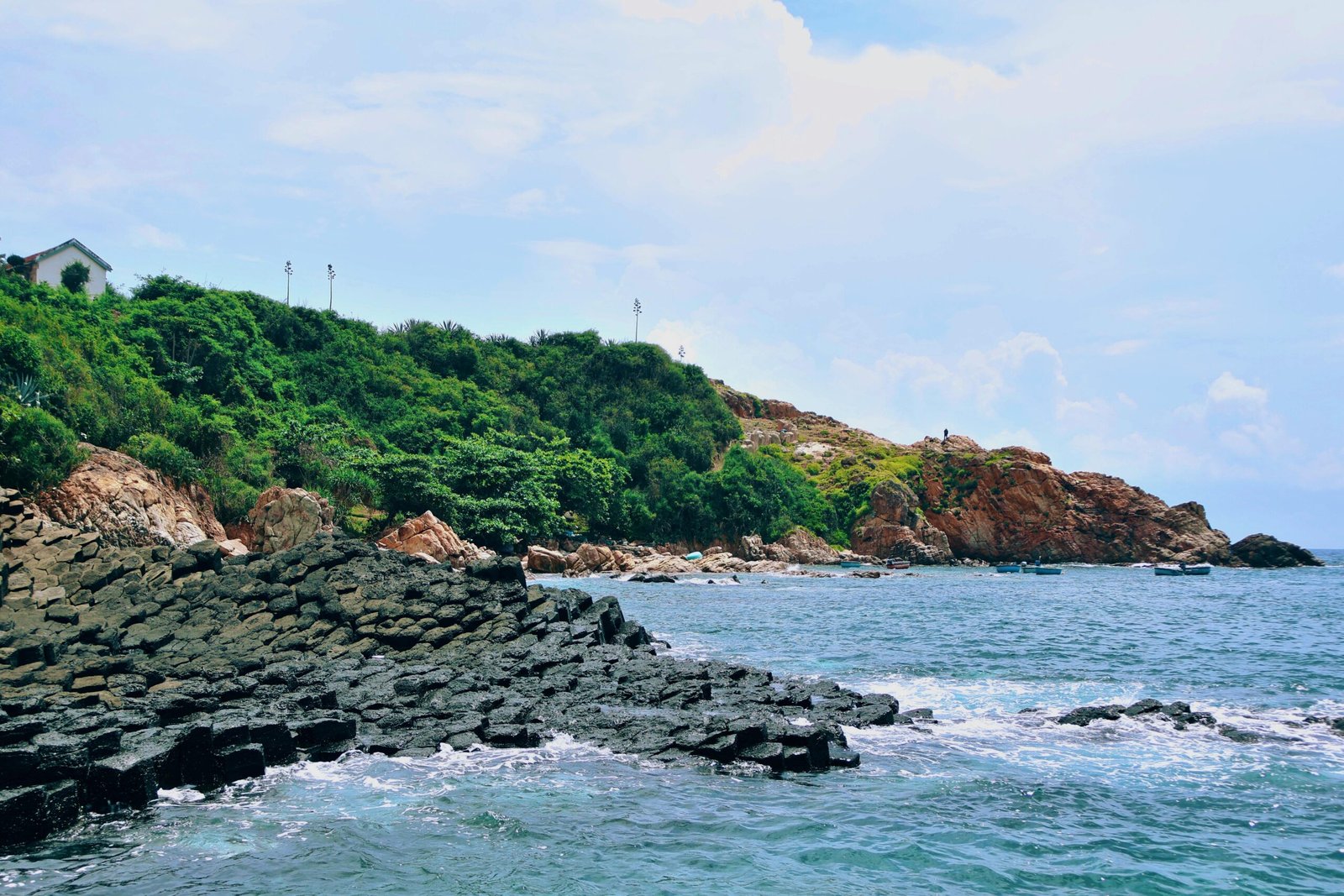
Almost no foreign travellers come here. The basalt rock formations along the coast have the drama of something geological rather than touristic. Mang Lang Church, a Gothic-style building completed in 1892 by the French missionary Father Joseph de La Cassagne, still serves the local Catholic community and houses a replica of the first book ever printed in romanised Vietnamese script. At the Phu Tan Mat Weaving Village, generations of the same families demonstrate traditional mat-weaving techniques that have been passed down with little need for revision. I have watched the same grandmother teach the same pattern to the same granddaughter on three separate visits. Nothing had changed.
Phan Thiet, the final stop before Ho Chi Minh City, presents the Ta Cu Mountain and the Po Shanu Cham Towers, late eighth and early ninth century remnants of the Hindu Champa civilisation that ruled this stretch of coast for more than a thousand years before being absorbed by the Vietnamese state. The farewell dinner takes place near the towers as the light drops. It carries, each time, the quality of an ending you can feel approaching, but still do not entirely believe.
What Actually Happens on the Train, Between Everything Else
I could list the onboard amenities and call it a description; I will not. What matters is the cumulative rhythm.
The cooking classes in the restaurant carriage use the ingredients of whatever region you are currently moving through, which makes them worth attending even for guests who would not normally consider themselves cooking-class people. The cultural performances are genuinely accomplished. The spa, where every guest receives a complimentary forty-five-minute head and shoulder treatment, becomes something most of my returning guests book within the first 24 hours. I always leave mine until day five, because I know how tired I will be by then.
"By day five, you will know which carriage has the best light, which steward remembers your coffee, and which fellow passenger you will still be emailing in six months."
The meals are regionally calibrated, and they shift as you shift. By the time you end your train journey in Ho Chi Minh City, you have moved through half the country’s culinary traditions without having planned a single one of them. This is, I still maintain, the best kind of learning.
And the people. Every SJourney trip I have done has produced at least two guests I still correspond with. I do not know why this happens on trains in a way that it does not happen in hotels.
What I will say, and I say this as someone who has spent years building a company around slow travel, is that the Southbound Legacy is the clearest expression I have found of what this kind of travel is supposed to do. It is supposed to change what you notice. It is supposed to let the country do the talking. It is supposed to leave you, eight days later, on a platform in Ho Chi Minh City, slightly reluctant to go home.
The Southbound Legacy operates on selected departures throughout 2026, with fares starting from $9,890 per person for a double cabin. Private and group departures are available through Marée and Meridian. To learn more, please get in touch.