Top 10 Reasons to Travel to Siberia on the Trans-Siberian Express

For over a century, the Trans-Siberian Railway has captured the imagination of adventurers, writers, and dreamers from every corner of the globe. Long before air travel made the world feel smaller, this legendary route stretched across continents, promising mystery, culture, human connection, and vistas few ever see.

Through my conversations with many travellers who have journeyed along this route, I discovered that the Trans-Siberian Express is more than a railway. It is a living story of Russia itself, unfolding mile by mile across forests, steppes, rivers, and mountains, offering the ultimate experience for anyone looking to travel to Siberia.

Category

Luxury Trains

Words by

Nidhi Gopal

Published

January 26, 2026

Completed in 1916, nearly 110 years ago, the Trans-Siberian Railway stitched together a vast nation and shaped the Russia we know today. Conceived by Tsar Alexander the Third and built largely under Tsar Nicholas the Second, it spans nearly 9,300 kilometres, linking Moscow to Vladivostok. Along the way, it crosses eight time zones, 87 cities and towns, and 16 major rivers.

I was fascinated to learn that the railway is so extensive that a single journey takes about seven days non-stop. Trains can reach top speeds of 90 to 110 kilometres per hour, though most travellers prefer the slow, contemplative pace. It remains the longest continuous train route in the world, and its engineering achievements, including marble stations, bridges, tunnels, and galleries, continue to impress historians and travellers alike.

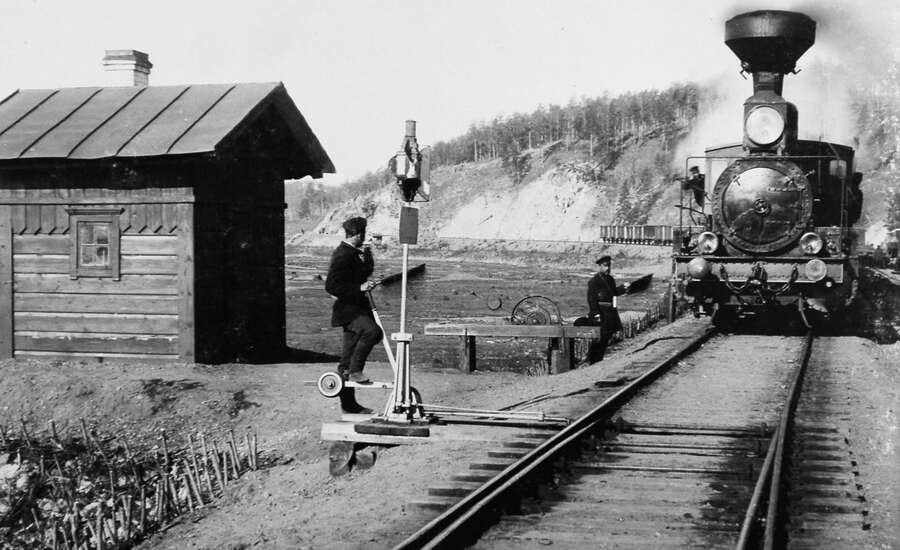
Despite harsh, unforgiving terrain and challenges, the Trans-Siberian Railway took just 12 years to build 9,000 km and amazed the world. Photo credit transsiberianexpress.net
For me, the magic of the Trans-Siberian journey lies in its stories. The landscapes, the cities, the rivers, and the people along the way are extraordinary. Every station and stopover has a history, every river a tale, and every city a unique culture waiting to be discovered.

As the writer and traveller Faruk Pekin aptly said, “There are two kinds of people in the world, those who have seen the Taj Mahal, and those who have not. I believe the same is true for travellers. There are those who have travelled on the Trans-Siberian Railway, and those who have yet to experience its magic.”

Paul Theroux, who travelled this route himself, wrote, “The Trans-Siberian is the grandest of rail journeys. The immensity of the land, the variety of the people, and the vast distances make it an adventure of a lifetime.”

1. You are taking the Longest Rail Journey on Earth

The journey stretches 9,288 kilometres, crosses eight time zones, passes through 87 towns and cities, and spans 16 major rivers, making it the longest rail journey on Earth. You will be struck by how the railway moves through diverse Russian landscapes, from Siberian plains and snow-capped peaks to the Ural Mountains and frozen rivers. It is a testament to human ingenuity and patience, and an unforgettable way to travel to Siberia and truly grasp the scale of Russia.
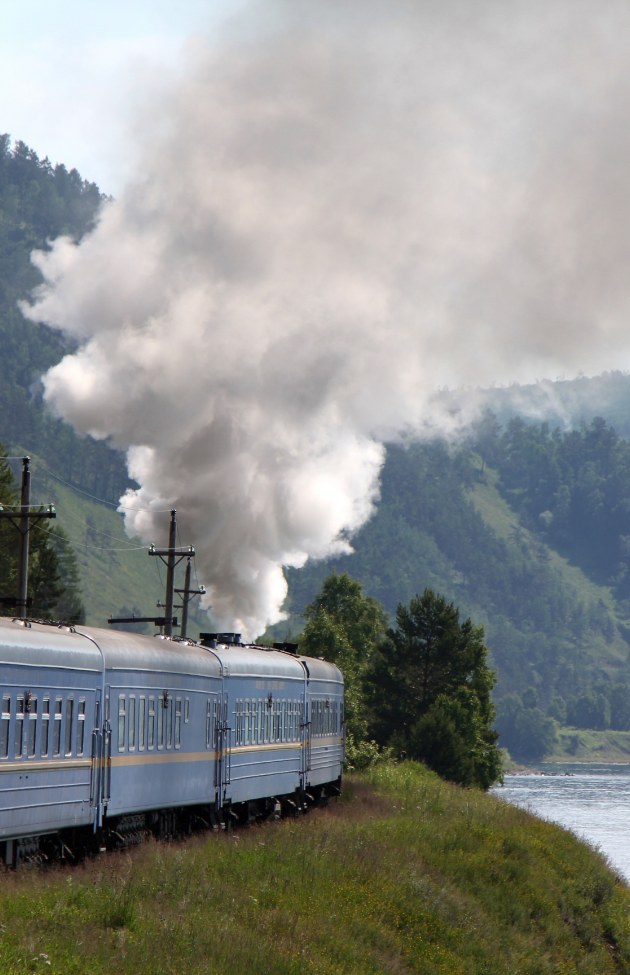
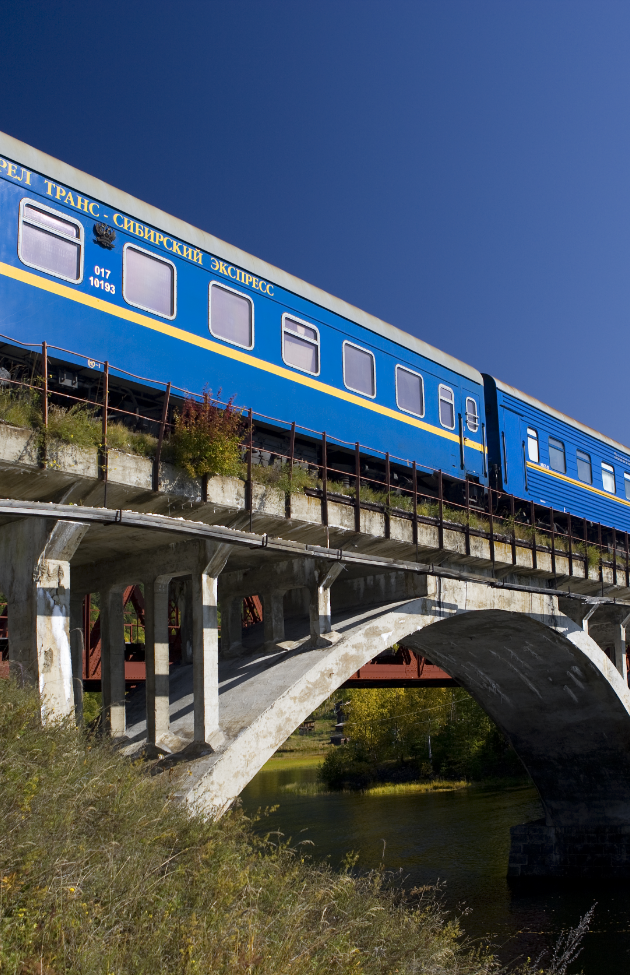
From Vladivostok to Moscow, the Trans-Siberian train is the world's most epic train journey
39 tunnels, 16 stone galleries, and 250 bridges across a breathtaking journey through Russia’s landscapes.

2. Travel to Vladivostok and Discover Its Vibrant Charm

Vladivostok, perched on the Pacific, is the perfect starting point. Through travellers’ accounts, I discovered the charm of Golden Horn Bay, the twin bridges that define the skyline, and Korabelnaya Embankment, where the Pacific Fleet quietly anchors. My favourite insight is how Vladivostok feels both energetic and contemplative, a city that welcomes explorers before the long journey west.
But honestly, the real luxury is simpler. It’s having your own space that’s calm and cosy. It’s not sharing bathrooms or hearing other people’s conversations through thin walls. It’s the kind of comfort where the basics are flawless. Perfectly chilled rooms, unquestioned water quality, and systems that run so smoothly you forget they exist.

3. Siberia Travel Adventures Through Rivers, Taiga, and Snow-Capped Peaks

Stories describe the train winding past the Shilka and Amur Rivers, through forests, taiga, and mountains. Wildlife sightings are frequent, and the constantly changing scenery—from the Siberian plains to the Ural Mountains—is breathtaking. Interestingly, Siberia covers 77 per cent of Russia yet has a population of just 40 million, leaving much of the landscape virtually untouched. The railway offers travellers a unique opportunity to travel to Siberia and experience this immense, wild expanse in a single journey.
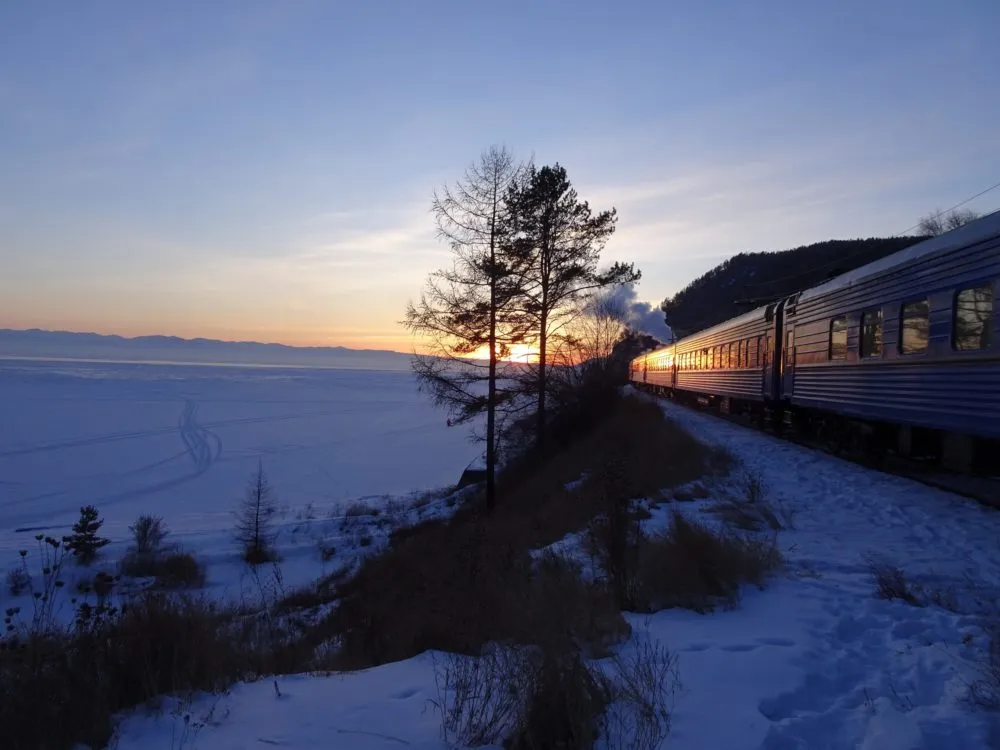
While summer in Siberia bursts with life, winter brings a serene, snow-covered stillness and a magical quiet. Photo credit Golden Eagle Luxury Trains

4. Discover Ulan Ude and Old Believers’ Culture

Ulan Ude, the capital of the Buryat Republic, is home to villages of the Semeiske Old Believers, whose traditions are preserved by UNESCO. I loved reading about their music, rituals, and daily life, which have survived centuries of change. It is a vivid window into a culture that feels timeless and one of my favourite cultural insights along the route.

5. Experience the Majesty of Lake Baikal

Lake Baikal, the world’s deepest freshwater lake at 1,642 metres, is breathtaking in every season. I discovered that it contains about 20 percent of the world’s freshwater, making it a vital ecological treasure. Travellers on the Trans-Siberian Express take boat trips to Listvyanka Village, explore nearby marble stations such as Sludyanka, or skate on its frozen surface in winter. My favourite takeaway is the sheer sense of scale and purity that Baikal inspires.

6. Explore Irkutsk, the Paris of Siberia

Irkutsk’s wooden architecture, riverside charm, and historic monuments have long fascinated travellers. Heroes’ Square, the Angara River embankment, and the Decembrists Museum reveal a city that blends elegance with everyday life. I found stories of classical music recitals at Maria Volkonskaya Hall particularly enchanting.

7. Witness Siberia’s Countryside in Motion

The Baikal-Circum-Baikal Railway is an engineering marvel, with bridges, tunnels, and galleries carved into the rugged terrain. I was amazed to read how Siberia’s forests, plains, and wildlife roll past as the train continues its epic journey. For anyone studying geography, culture, or engineering, it is an unparalleled living classroom.

8. Visit Novosibirsk and Yekaterinburg

Novosibirsk impresses with bold architecture, theatres, and cultural landmarks. Yekaterinburg, at the Europe-Asia border, offers Romanov history and vibrant bazaars. My favourite insight here is how the railway links both European and Asian Russia, blending histories, traditions, and cuisines along the way.

9. Explore Kazan’s UNESCO Heritage

Kazan is famous for the Kremlin, Kul Sharif Mosque, and Annunciation Cathedral. Reading about its Tatar culture, street markets, and cuisine gave me a sense of the city’s energy and diversity. My favourite insight is how Kazan represents Russia’s multicultural soul, bridging traditions across centuries.

10. Moscow: The Journey’s Grand Finale

Moscow is the perfect conclusion. Red Square, the Kremlin, the Tretyakov Gallery, and performances at the Bolshoi Theatre reveal a city alive with history and culture. After weeks of expansive landscapes, Moscow’s vibrancy provides a satisfying contrast, a reminder of how the Trans-Siberian train connects not just geography, but the story of an entire nation.
2. Travel to Vladivostok and Discover Its Vibrant Charm

Vladivostok, perched on the Pacific, is the perfect starting point. Through travellers’ accounts, I discovered the charm of Golden Horn Bay, the twin bridges that define the skyline, and Korabelnaya Embankment, where the Pacific Fleet quietly anchors. My favourite insight is how Vladivostok feels both energetic and contemplative, a city that welcomes explorers before the long journey west.
But honestly, the real luxury is simpler. It’s having your own space that’s calm and cosy. It’s not sharing bathrooms or hearing other people’s conversations through thin walls. It’s the kind of comfort where the basics are flawless. Perfectly chilled rooms, unquestioned water quality, and systems that run so smoothly you forget they exist.

3. Siberia Travel Adventures Through Rivers, Taiga, and Snow-Capped Peaks

Stories describe the train winding past the Shilka and Amur Rivers, through forests, taiga, and mountains. Wildlife sightings are frequent, and the constantly changing scenery—from the Siberian plains to the Ural Mountains—is breathtaking. Interestingly, Siberia covers 77 per cent of Russia yet has a population of just 40 million, leaving much of the landscape virtually untouched. The railway offers travellers a unique opportunity to travel to Siberia and experience this immense, wild expanse in a single journey.

While summer in Siberia bursts with life, winter brings a serene, snow-covered stillness and a magical quiet. Photo credit Golden Eagle Luxury Trains

4. Discover Ulan Ude and Old Believers’ Culture

Ulan Ude, the capital of the Buryat Republic, is home to villages of the Semeiske Old Believers, whose traditions are preserved by UNESCO. I loved reading about their music, rituals, and daily life, which have survived centuries of change. It is a vivid window into a culture that feels timeless and one of my favourite cultural insights along the route.

5. Experience the Majesty of Lake Baikal

Lake Baikal, the world’s deepest freshwater lake at 1,642 metres, is breathtaking in every season. I discovered that it contains about 20 percent of the world’s freshwater, making it a vital ecological treasure. Travellers on the Trans-Siberian Express take boat trips to Listvyanka Village, explore nearby marble stations such as Sludyanka, or skate on its frozen surface in winter. My favourite takeaway is the sheer sense of scale and purity that Baikal inspires.

6. Explore Irkutsk, the Paris of Siberia

Irkutsk’s wooden architecture, riverside charm, and historic monuments have long fascinated travellers. Heroes’ Square, the Angara River embankment, and the Decembrists Museum reveal a city that blends elegance with everyday life. I found stories of classical music recitals at Maria Volkonskaya Hall particularly enchanting.

7. Witness Siberia’s Countryside in Motion

The Baikal-Circum-Baikal Railway is an engineering marvel, with bridges, tunnels, and galleries carved into the rugged terrain. I was amazed to read how Siberia’s forests, plains, and wildlife roll past as the train continues its epic journey. For anyone studying geography, culture, or engineering, it is an unparalleled living classroom.

8. Visit Novosibirsk and Yekaterinburg

Novosibirsk impresses with bold architecture, theatres, and cultural landmarks. Yekaterinburg, at the Europe-Asia border, offers Romanov history and vibrant bazaars. My favourite insight here is how the railway links both European and Asian Russia, blending histories, traditions, and cuisines along the way.

9. Explore Kazan’s UNESCO Heritage

Kazan is famous for the Kremlin, Kul Sharif Mosque, and Annunciation Cathedral. Reading about its Tatar culture, street markets, and cuisine gave me a sense of the city’s energy and diversity. My favourite insight is how Kazan represents Russia’s multicultural soul, bridging traditions across centuries.

10. Moscow: The Journey’s Grand Finale

Moscow is the perfect conclusion. Red Square, the Kremlin, the Tretyakov Gallery, and performances at the Bolshoi Theatre reveal a city alive with history and culture. After weeks of expansive landscapes, Moscow’s vibrancy provides a satisfying contrast, a reminder of how the Trans-Siberian train connects not just geography, but the story of an entire nation.

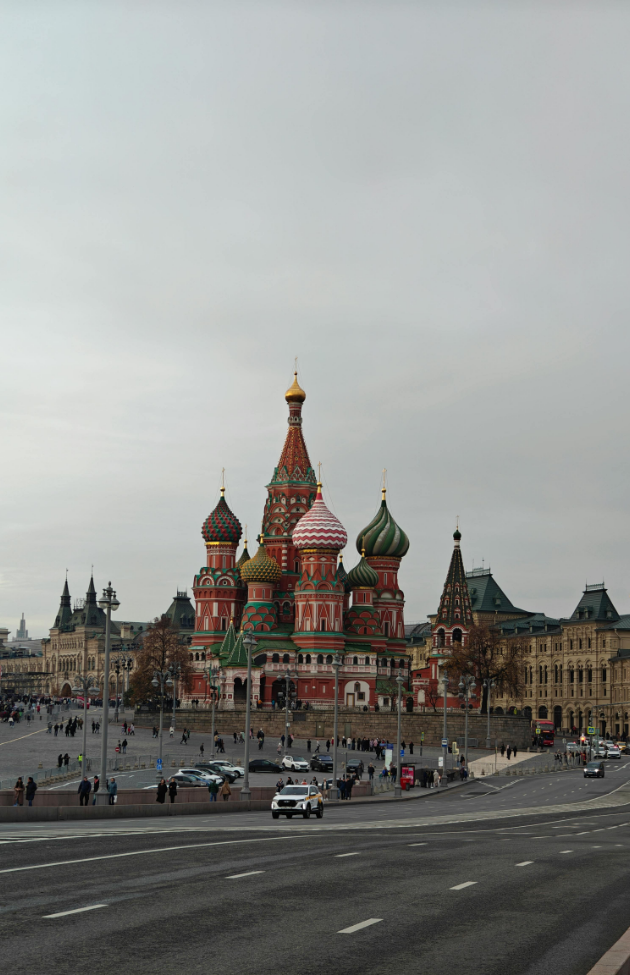
St. Basil’s Cathedral, built in the 16th century, is famous for its colourful onion-shaped domes, each uniquely patterned—no two are alike.
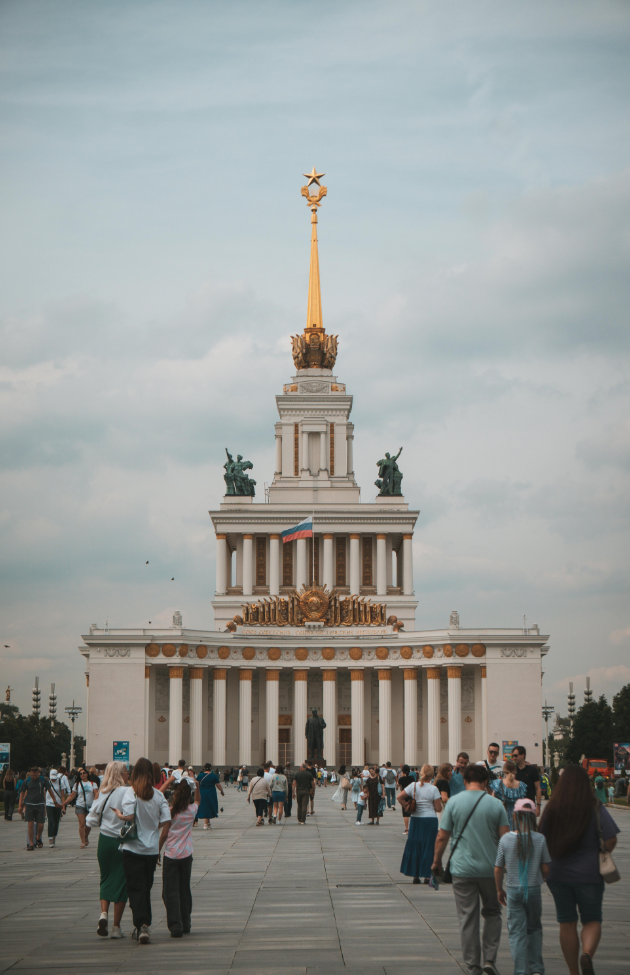
The Central Pavilion at VDNKh, Moscow, is topped with a golden spire featuring the iconic Soviet symbols of a worker and kolkhoz woman, celebrating industry and agriculture in monumental style.

Reflections

Even though I have not travelled on the train myself yet, I feel the magnetism of its journey through reading, research, and travellers’ accounts. The Trans-Siberian Express is more than a railway — it is a story of Russia’s past, present, and enduring beauty. From Vladivostok to Moscow, every city, river, forest, and lake has a tale to tell. This legendary train to Siberia continues to inspire writers, photographers, and travellers over a century after its completion.

The Trans-Siberian journey is a reminder that travel is not just about the places we reach, but about the stories, cultures, and human connections we gather along the way. It is a journey that inspires wonder, curiosity, and a sense of belonging to a world much larger than ourselves.

Explore this extraordinary journey in depth, offered exclusively by only two operators worldwide. Click here to discover the full details.

Share this story:
Nidhi Gopal, Co-Founder & Managing Partner at Marée & Meridian, has always been captivated by the stories luxury trains and river cruises tell. Being part of the Maharajas’ Express first voyage marked an iconic moment, inspiring her lifelong passion to explore and innovate in this space. She curates meaningful journeys on trains and river cruises, delighting in grand interiors, flowing champagne, and magnificent destinations, creating experiences that celebrate elegance, discovery, and timeless luxury.