A Week Among the Impressionists
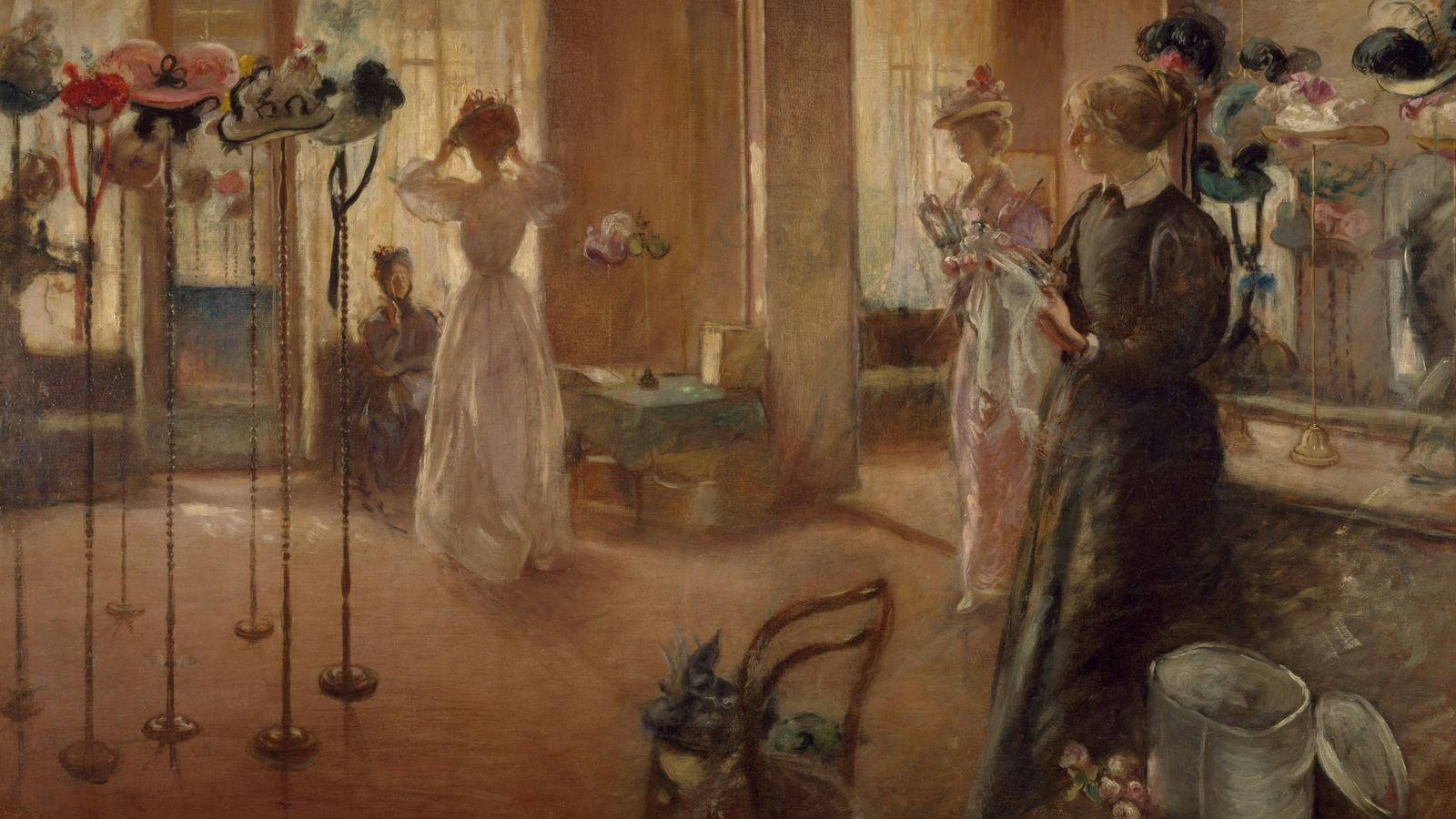
The defining cultural thread of the Seine route is its art history. Within thirty miles of this river, the late nineteenth-century painters now known collectively as the Impressionists produced the canvases that fill the world’s great galleries today.
“The Impressionists did not come north for the apples. They came for the light, which on this stretch of water changes its mind every fifteen minutes.”
The ship calls early at Auvers-sur-Oise, the village just outside Paris that Vincent van Gogh chose for the last weeks of his life. Guests walk the lanes he painted in his final summer and visit the hilltop cemetery he shares with his brother Theo. An engrossing multimedia exhibit at the seventeenth-century Château d’Auvers traces the broader Impressionist movement through the lives of the painters who lived and worked in the village, Cézanne, Pissarro and Daubigny among them.
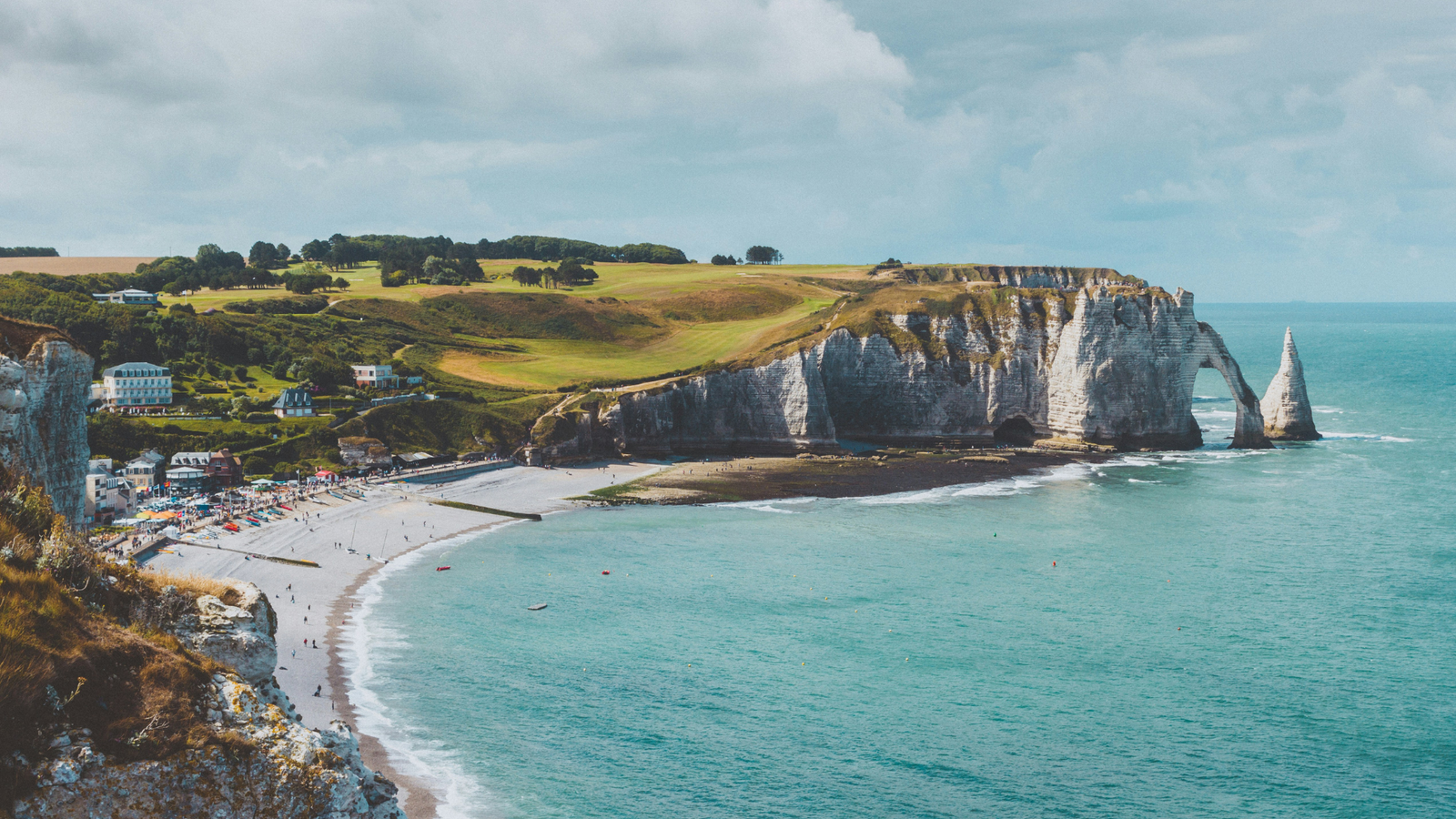
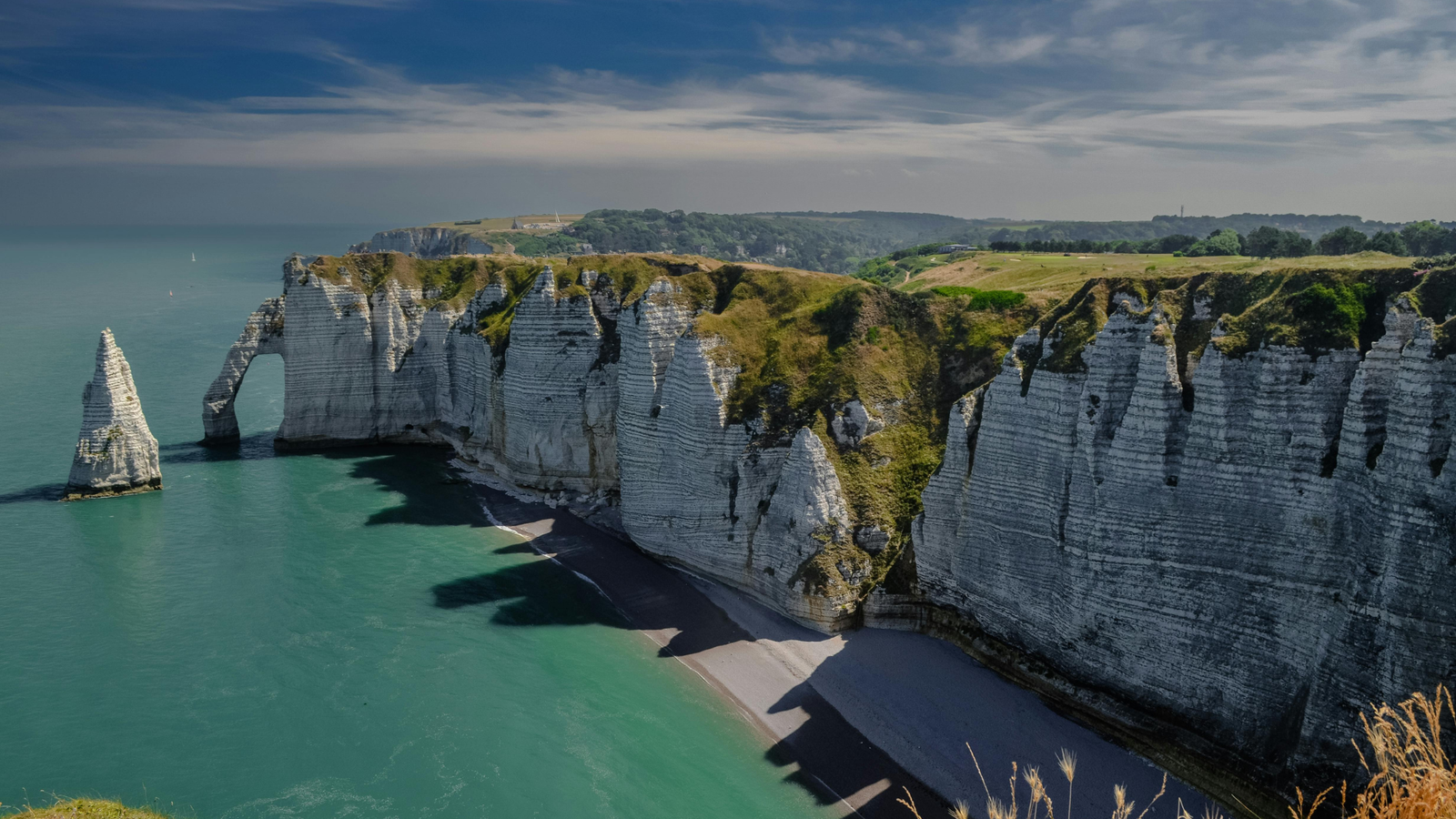
Further along the river, the ship moors at Vernon for the short transfer to Giverny, the home and studio of Claude Monet from 1883 until his death in 1926. The Japanese bridge, the wisteria, the famous lily pond and the pink-walled house with its yellow dining room have all been preserved as he left them. Honfleur, with its sixteenth-to-eighteenth-century townhouses lining the old harbour, was the muse of Eugène Boudin, Gustave Courbet and Monet himself. The chalk cliffs at Étretat, further up the Norman coast, drew Monet, Maupassant and Victor Hugo across decades. To sail this stretch of river is, in effect, to walk into the paintings that hang in the Musée d’Orsay.
A Coastline That Changed History
Few regions of Europe carry the historical weight of Normandy, and the itinerary does not flinch from it. A full-day excursion from Le Havre visits the D-Day landing sites at Arromanches, including the remains of the Mulberry artificial harbour and the preserved German coastal batteries at Longues-sur-Mer. The day continues to Bayeux, the medieval town the Allied forces liberated first, for a Norman lunch in a restaurant once visited by General Eisenhower, followed by a guided tour of its Gothic cathedral. History sits close to the surface here.
“In a single day, the cruise carries you from a beach the Allied soldiers landed on in 1944 to the lunch table at which Eisenhower planned the next phase of the war. Not many itineraries cover so much weight in twelve hours.”
The cruise also calls at Rouen, the medieval capital of Upper Normandy and the city of Joan of Arc’s execution in 1431. A walking tour covers the Cathedral of Notre-Dame, the subject of more than thirty Monet paintings, the Gros Horloge astronomical clock, and the modern Church of Joan of Arc, with sixteenth-century stained glass set into its contemporary shell.
For guests more inclined to the table than the battlefield, an alternative excursion visits a working Norman farmhouse for cider tastings and an introduction to the region’s seven hundred and fifty apple varieties, before continuing to the Palais Bénédictine in Fécamp, the world’s only Bénédictine distillery, a neo-Gothic palace built to honour the herbal liqueur first created by a Bénédictine monk in 1510 and rediscovered in the nineteenth century.
Life Aboard the AMADEUS Diamond
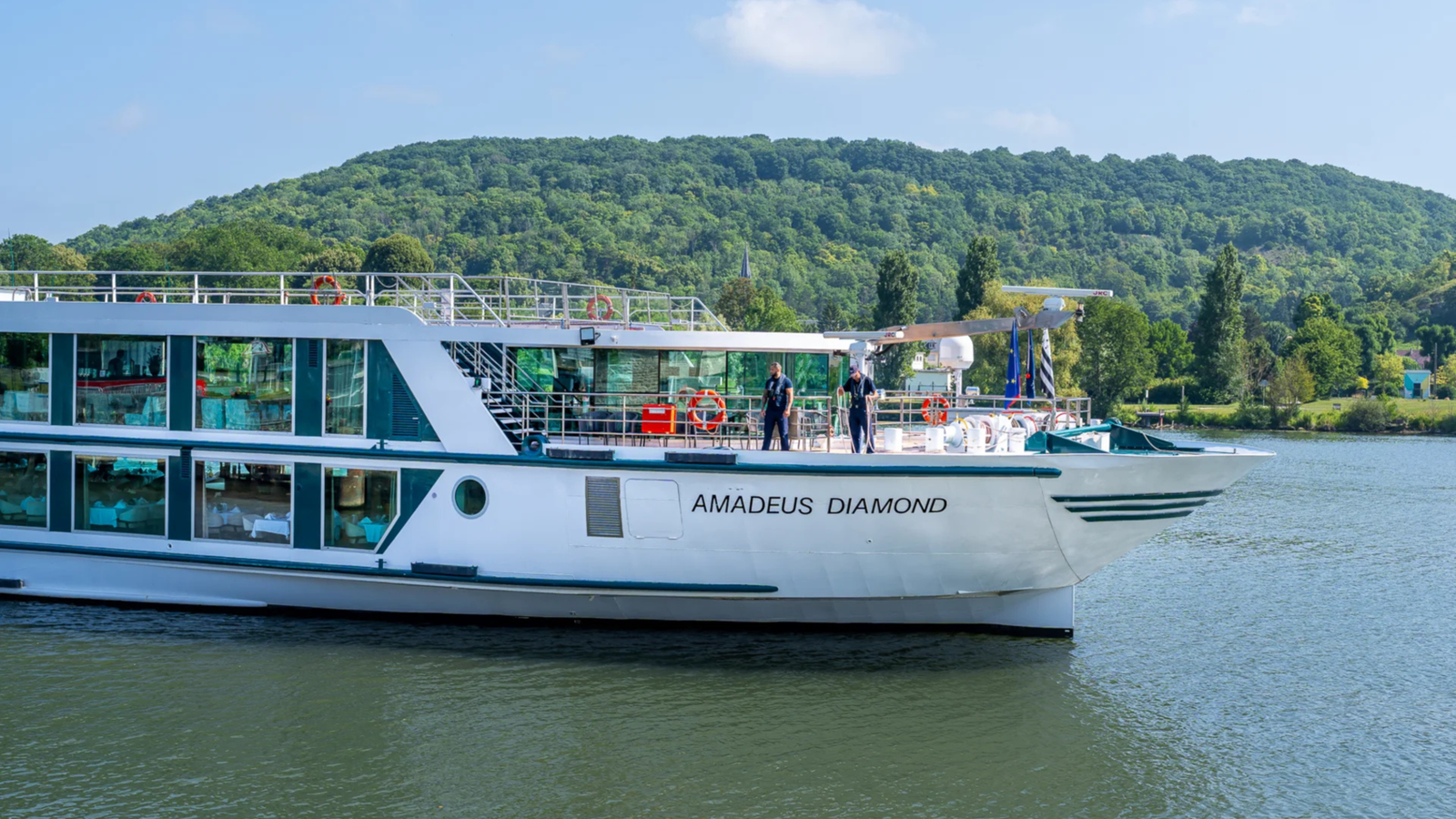
The AMADEUS Diamond is a 146-guest vessel that was refurbished in 2019 and dedicated exclusively to this route. Its 62 staterooms and 12 suites are set across three main decks, with the Panorama Bar and the principal restaurant facing the water through extensive windows.
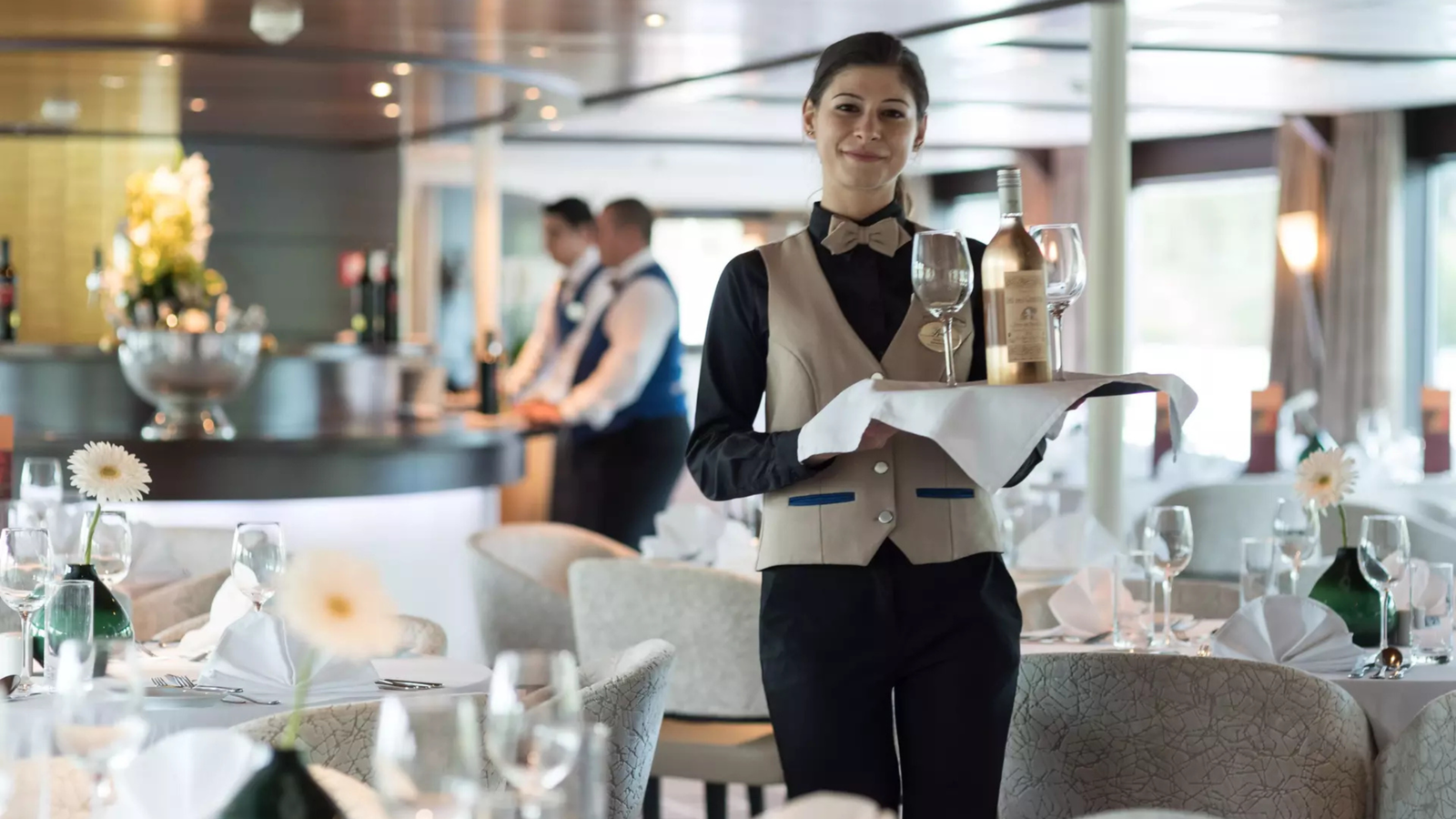
Daily life onboard is built around the table and the view. Breakfast runs to fresh croissants, pain au raisin, regional cheeses and slow-poured coffee, set against the landscape moving past the restaurant’s floor-to-ceiling windows. Lunch and dinner are multi-course affairs with menu choices including vegetarian options, complimentary wine, beer and soft drinks. The kitchen leans hard into Norman ingredients, butter, cream, apples, cheeses and Channel seafood, with regional dishes featured throughout the week. There are cooking demonstrations in the lounge, including a tarte tatin masterclass that draws a full house, and a cheese cart at dinner introducing guests to soft Camembert and other regional cheeses.
“Parisian cooking will always be the show. Norman cooking, with its butter and cream and orchards, is what the show eats when it goes home.”
Evenings bring the AMADEUS Experience programme of enrichment lectures, cultural performances and live music by French chanson singers and onboard musicians. The welcome dinner opens the cruise on the first evening in Paris; a captain’s gala dinner closes it on the way back into the city, with the lights of the French capital coming up along the embankment on the return leg.
Beyond the dining rooms, the onboard programme is light by design. A fitness studio is open around the clock for guests who keep to a routine, and complimentary bicycles are available at every port for independent rides through the surrounding countryside. The pace is slow, the dress code at dinner is smart-casual, and there is no expectation to be anywhere in particular at any time. This is, by intent, a cruise to be enjoyed at one’s own momentum.
“You return to Paris with the strange sense of having travelled far beyond what the map shows. The Seine has that effect on people who let it.”
Plan Your 2026 Voyage
We, at Maree & Meridian, curate the eight-day La Belle France sailing aboard the AMADEUS Diamond as a tailored, end-to-end experience. Our planning covers Paris pre and post-cruise extensions, private airport transfers, the right cabin category for your dates, and the excursion package best suited to your interests, whether that is the painters’ villages, the D-Day coast or the cider and Calvados orchards.
To plan and book your 2026 departure, contact our team
here.