Cape Town, the Winelands and the Karoo
Boarding happens in Cape Town, where passengers settle in and sit down to lunch as the carriages roll out through the Cape Winelands. By the second day, vineyards have given way to the Karoo, a vast semi-desert stretching over a large part of the country’s interior.
This is where luxury train travel in South Africa makes its most persuasive case. That landscape is enormous, dry and sparsely populated, which turns it into a long haul by car and a pleasure from an armchair, with a drink within reach.
“The Karoo can swing from a warm afternoon to a cold night, and game drives run in open vehicles. Rovos advises warm clothing for early mornings and evenings, so a jumper and a light jacket are needed in the case whatever the month.”
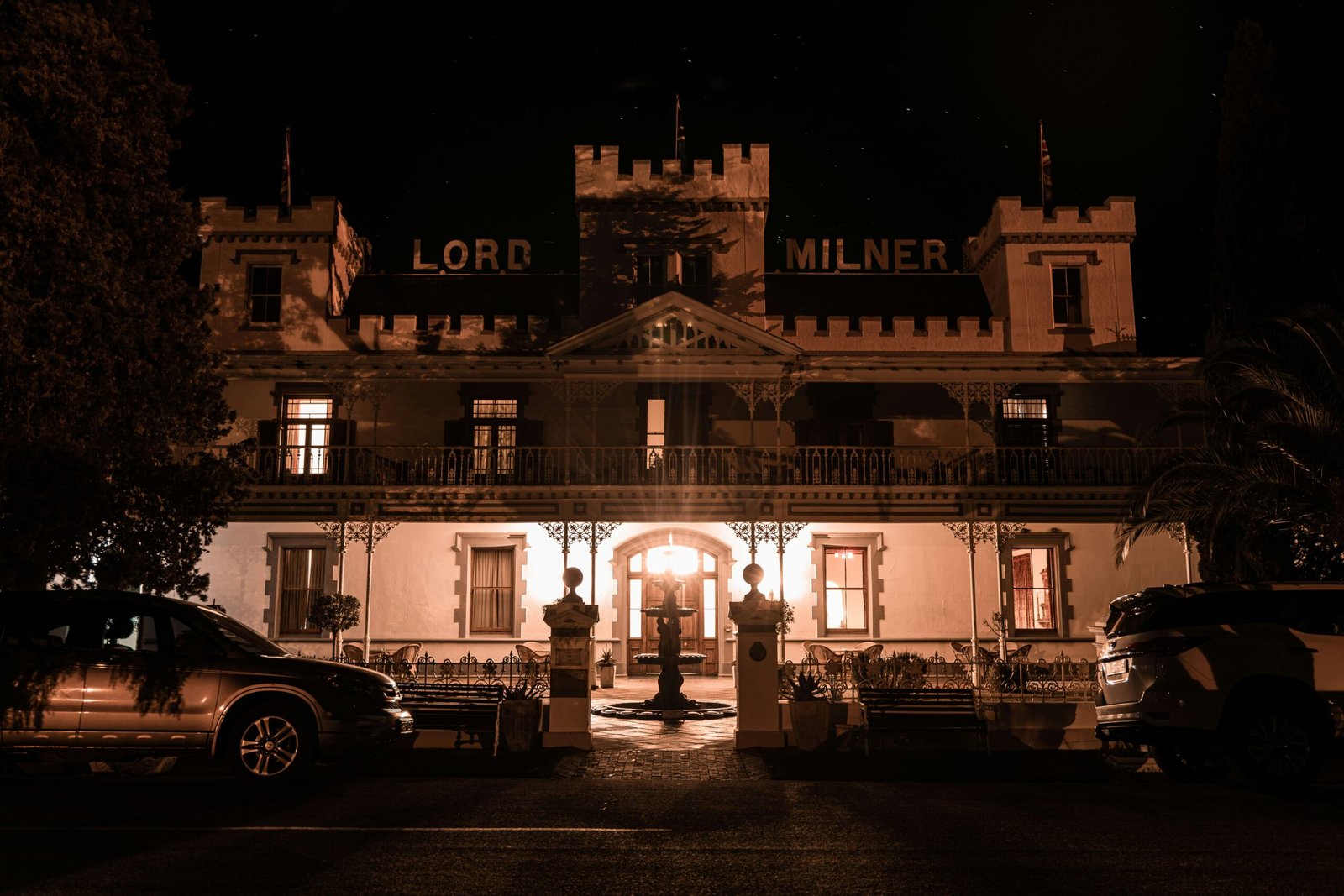
Then comes Matjiesfontein, a village that looks as though a slice of Victorian England was dropped into the scrubland and never collected. A Scottish railwayman, James Logan, founded it in 1884 as a health resort, convinced the dry air had cured his own weak chest, and imported lampposts from London to complete the look. The turreted Lord Milner Hotel still presides over the main street, along with a healthy supply of ghost stories.
Kimberley and a Very Big Hole
On day three, the line reaches Kimberley, a city built on the back of a hill that has since vanished. Diamonds turned up on that small rise, Colesberg Kopje, in 1871, and the rush that followed removed it entirely. Diggers with picks and shovels did much of the early work, and by the time mining stopped in 1914, the open pit was 240 metres deep, and the mine had yielded around 2,720 kilograms of diamonds. What remains is the Big Hole, 463 metres across and ranked among the largest hand-dug excavations on earth. A mine museum beside the pit tells the prospectors’ story.
Kimberley collected other distinctions too. South Africa’s first stock exchange opened here in 1881, and a year later it became, by most accounts, the earliest in the Southern Hemisphere to switch on electric street lighting. Even the diamond-bearing volcanic rock called kimberlite is named after the place. Everyone is back on board for the midday meal as the wheels keep turning north.
Two Nights in Pretoria, the Jacaranda City
Day four ends the opening leg at the company’s home station, and the itinerary earns its keep here. Rovos Rail schedules the southern and northern legs as separate journeys, each starting or ending here. The Marée & Meridian programme bridges them with a two-night hotel stay, turning a changeover into a city break. On arrival, the choice is between a guided tour with lunch and doing as little as possible, and day five is left open for optional exploring or simply more of the same.
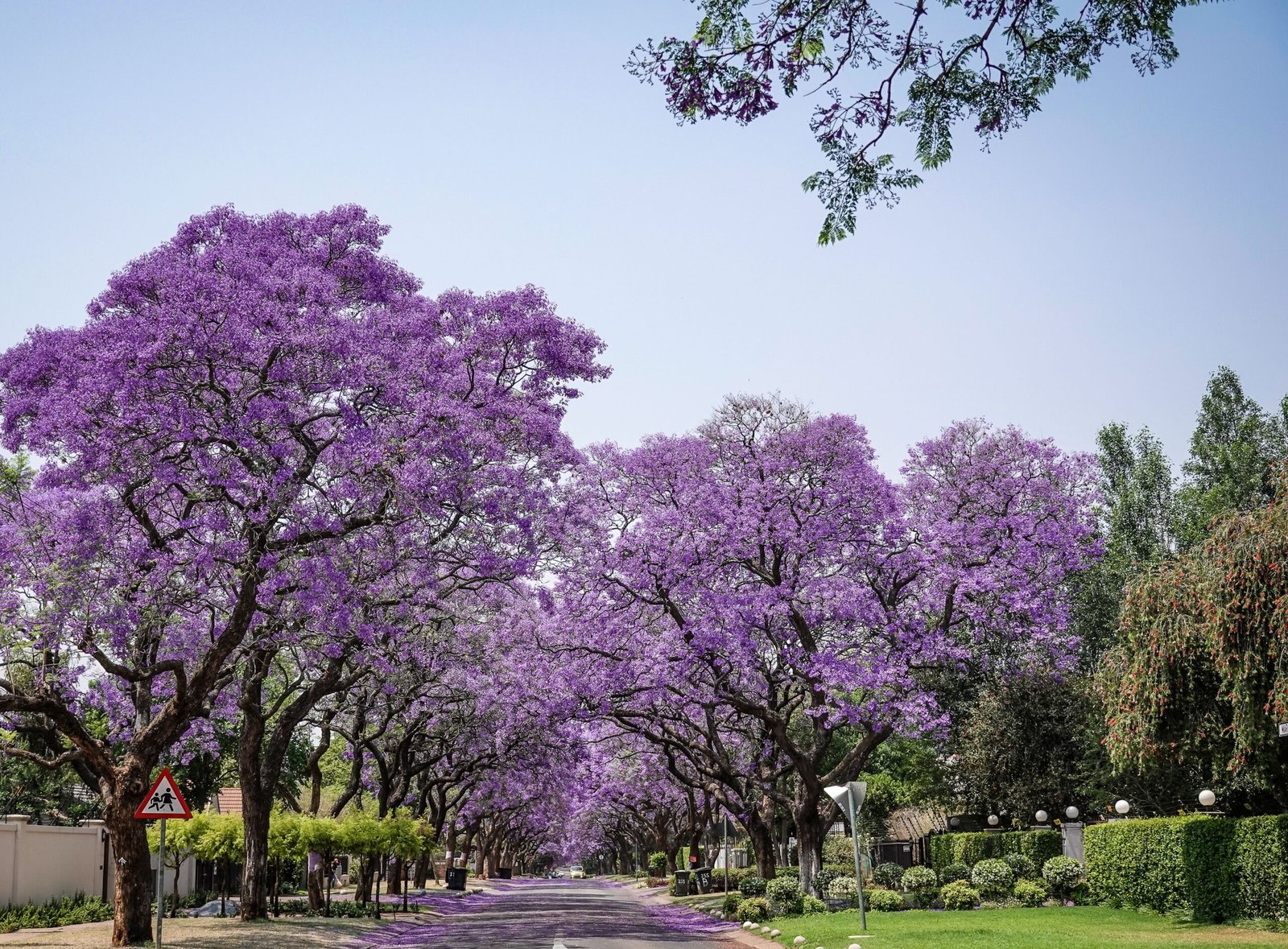
Pretoria is the nation’s administrative capital and home to the Union Buildings, the seat of government. It also answers to the Jacaranda City, for the tens of thousands of jacaranda trees that turn its streets purple, typically from late September to mid-November. The October and November departures put the stopover in or close to that window. Local students hold that a blossom landing on the head guarantees an exam pass. Nobody aboard is likely to have papers to sit, but superstition costs nothing.
Across the Tropic of Capricorn and Into Baobab Country
On day six, passengers reboard for the second leg, leaving the Highveld behind and crossing the Tropic of Capricorn on the approach to Zimbabwe. Border formalities are dealt with en route, and the scenery changes character once they are done.
Day seven belongs to baobab country. The baobab appears to have been planted upside down, roots in the air, and some specimens have lived for well over a thousand years. Closer to Hwange, the line between Gwaai and Dete runs along one of the longest straight stretches of railway anywhere, about 114 kilometres without a single curve.
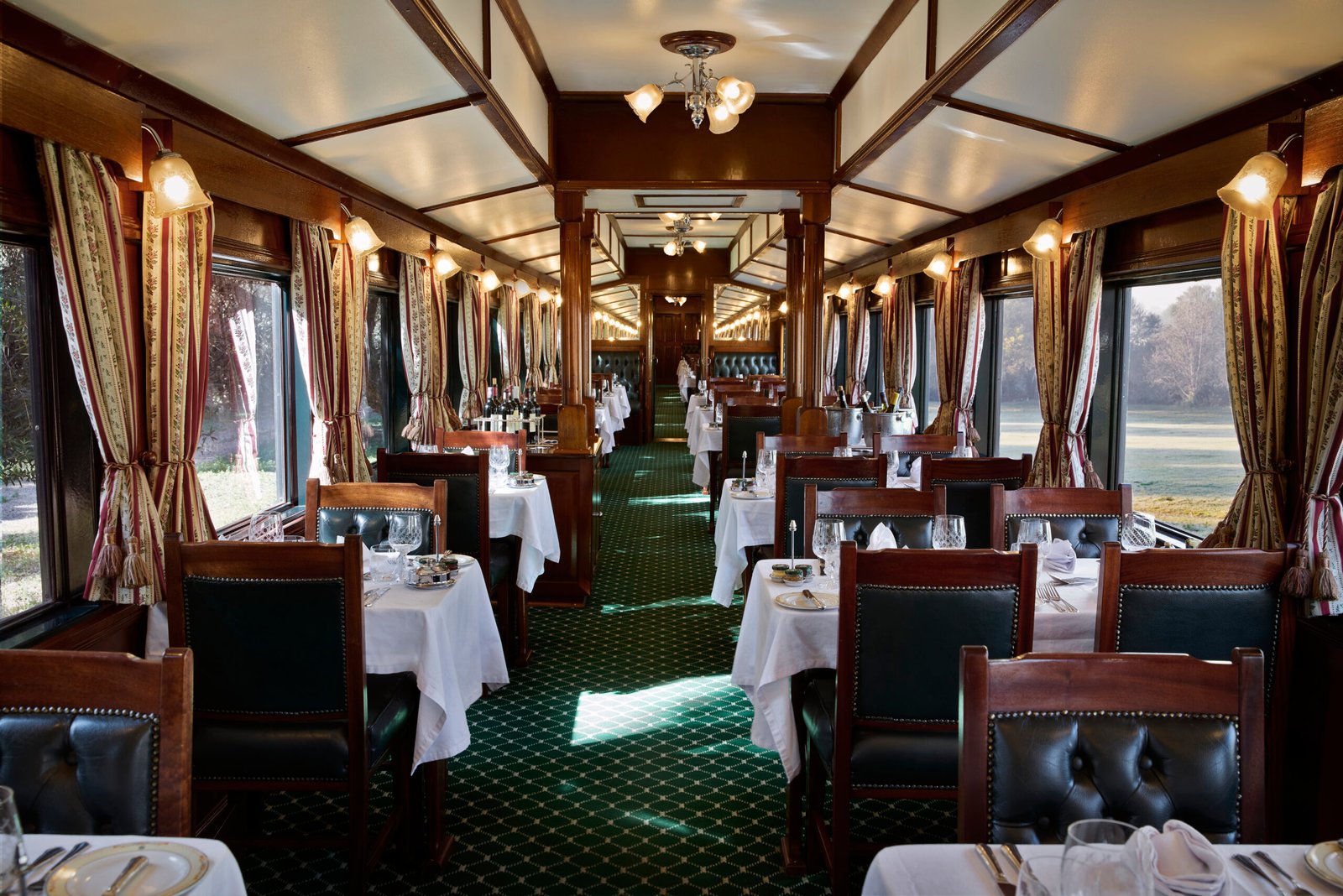
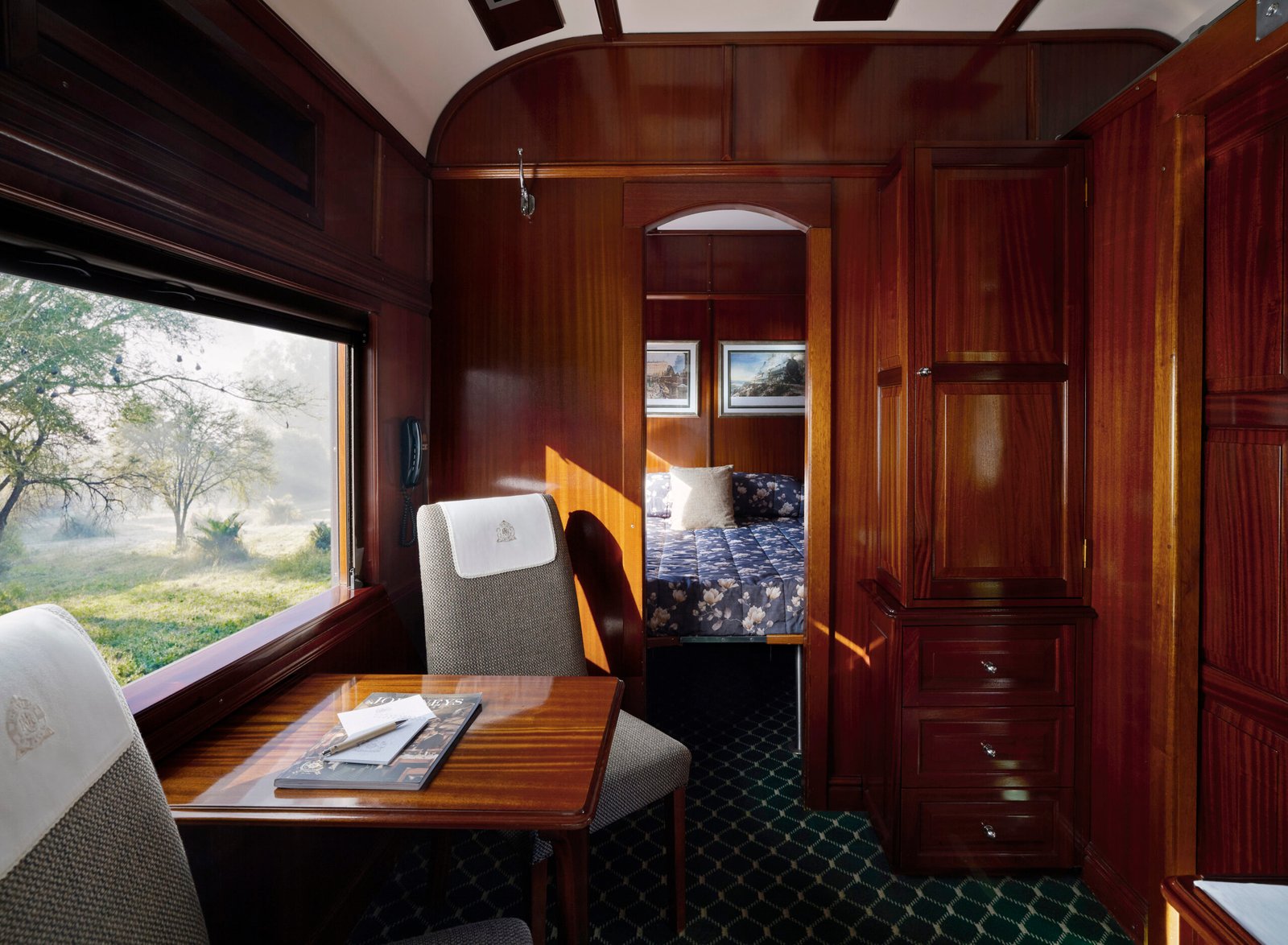
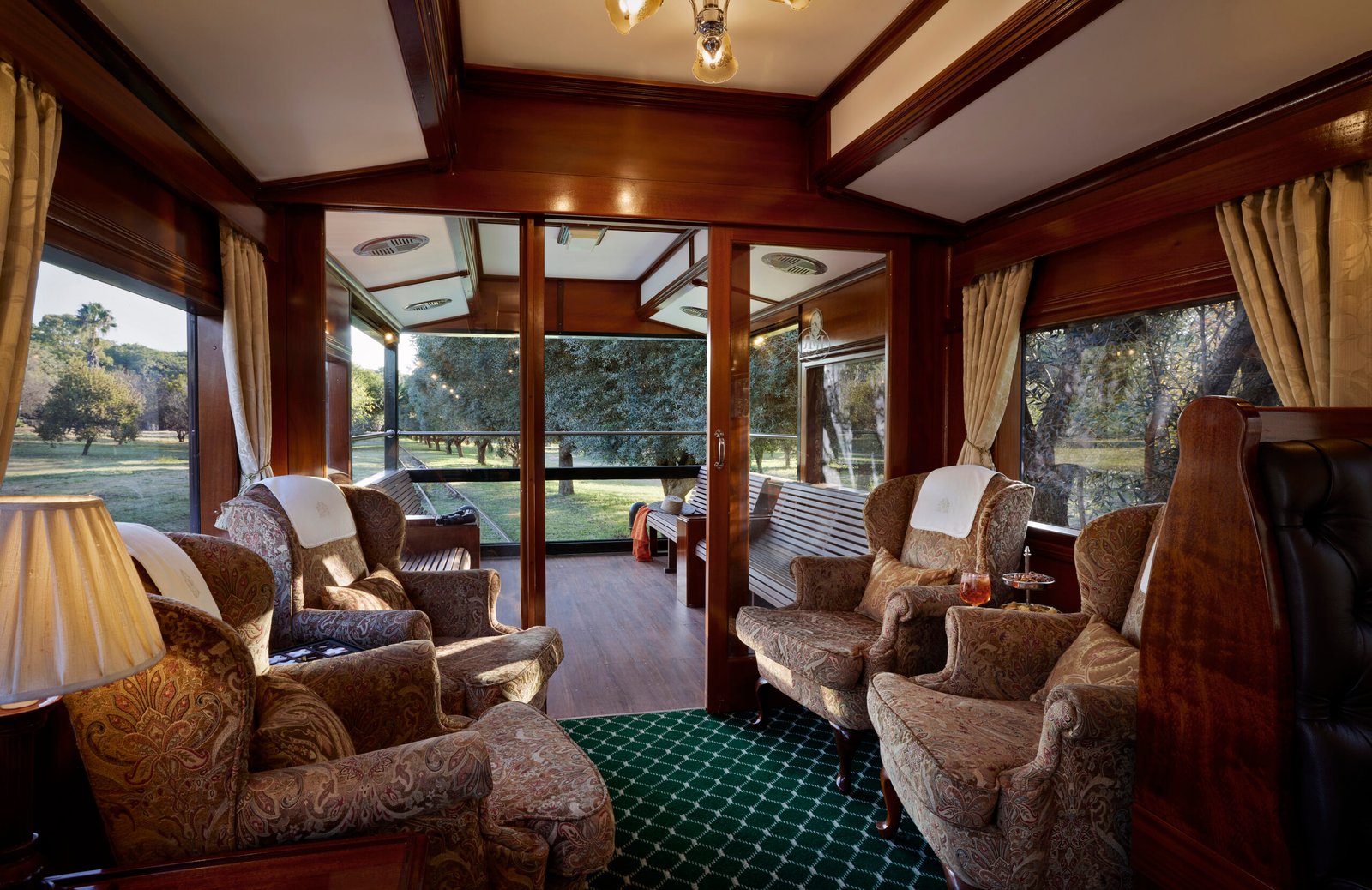
This is the stretch that explains why luxury train journeys attract such a loyal following. There is no connection to catch and nowhere to be, and the open-air balcony at the rear of the observation car turns a long spell in transit into the main event.
“Guests are asked to keep phones and laptops to their suites, and the signal is patchy once the train is moving. The lounge and observation cars stay free of screens as a result, which on a stretch like this is no loss at all.”
Hwange National Park and the Elephant in the Room
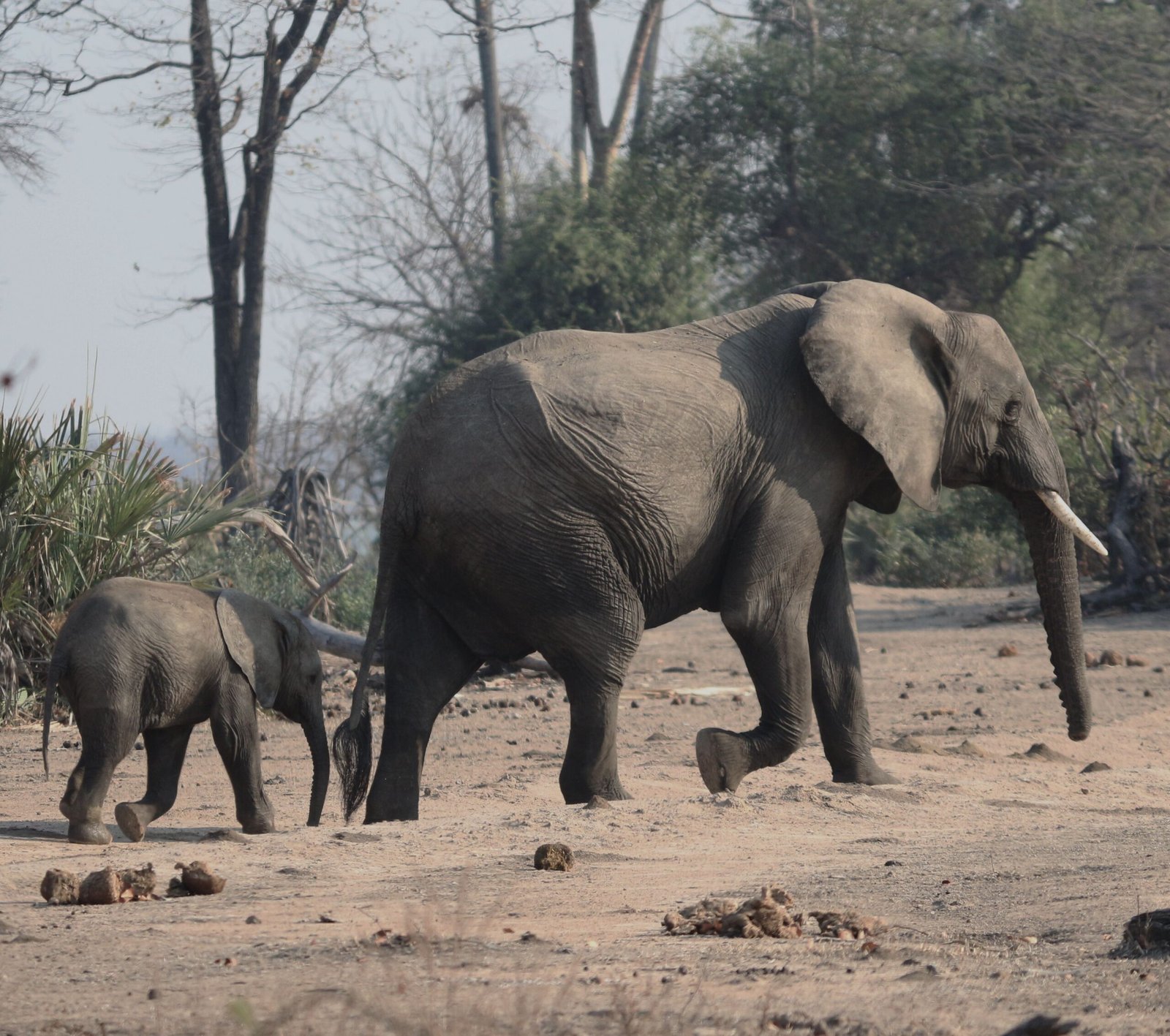
The eighth day is when binoculars earn their place in the luggage. Passengers disembark for a game drive in Hwange National Park, Zimbabwe’s biggest at about 14,650 square kilometres. No other Zimbabwean park holds as many elephants, and lion, leopard and buffalo share the ground with more than 100 kinds of mammals and nearly 400 bird species.
Wildlife keeps its own schedule, and no honest guide promises a sighting. With that many elephants in residence, the odds are in everyone’s favour. Afterwards, the final overnight run begins.
“Hwange has very little natural surface water, so the park relies on pumped waterholes, and in the dry months, roughly May to October, that is where the animals come to drink. Our departures between July and mid-October put the game drive inside that season.”
Arriving at Victoria Falls
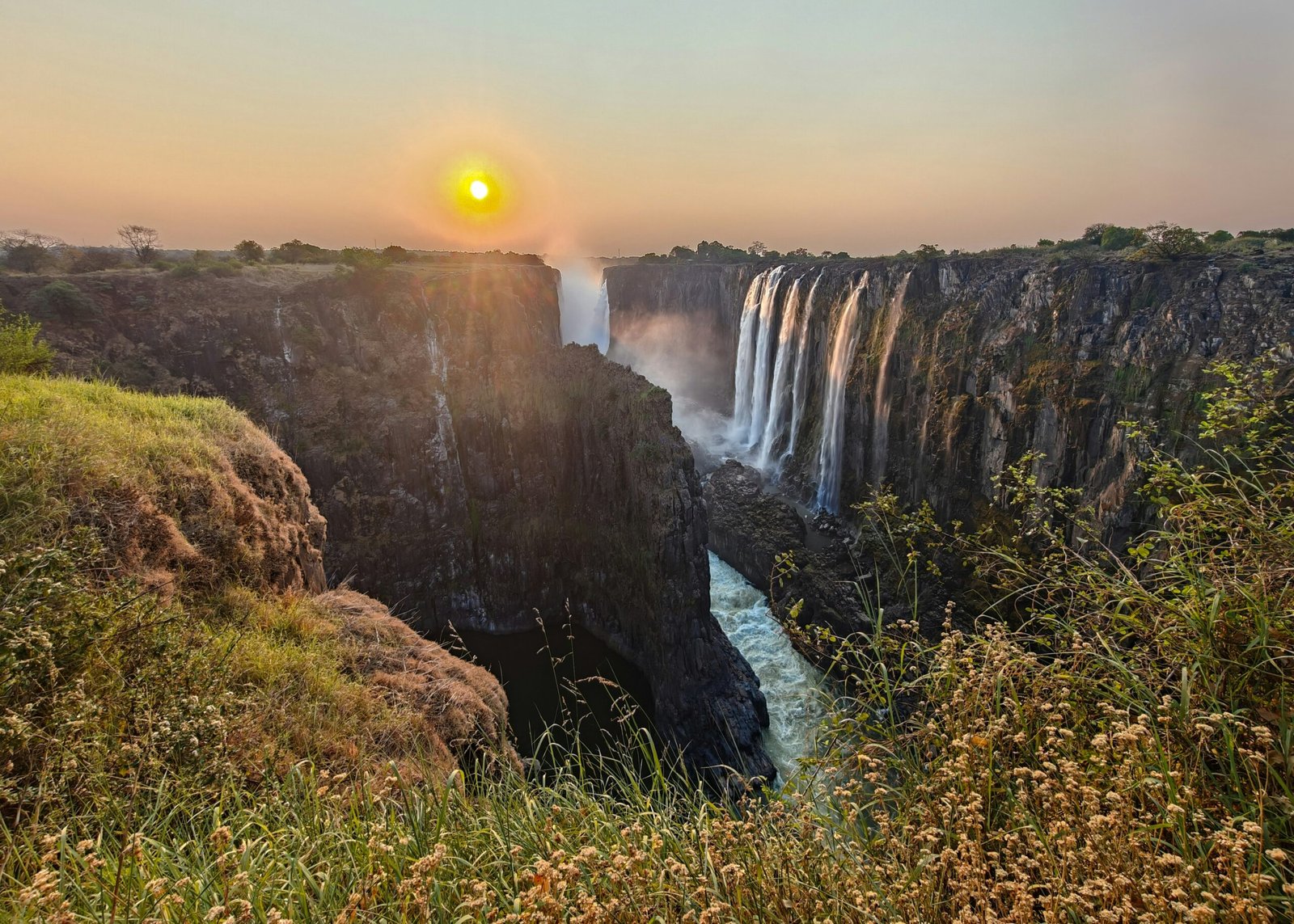
Everything wraps up at Victoria Falls Station on day nine, after breakfast. The Falls lie on the Zambezi River, which marks the border between Zimbabwe and Zambia, and their local name, Mosi-oa-Tunya, is usually translated as “the smoke that thunders”. UNESCO inscribed the site on its World Heritage list in 1989 and describes it as the largest curtain of falling water on the planet, some 1,708 metres wide with a drop of up to 108 metres. The Scottish missionary David Livingstone named the waterfall after Queen Victoria in 1855, although the older name is far more descriptive.
Few trips hold back their headline act for the final page with such confidence.
Visiting the waterfall itself is not part of the package, so it pays to plan ahead. Anyone hoping to see the spray up close should arrange extra nights when booking. The Zambezi runs highest in the months after the rains, roughly February to May, while lower water later in the year leaves more of the gorge and rock face on view.
How to Book Rovos Rail for This Journey
For travellers comparing luxury train journeys, this one packs a great deal into nine days. It crosses from South Africa into Zimbabwe, calls at a railway village, a diamond town and Pretoria, and finishes at one of the great natural wonders of the world. As an introduction to luxury train travel in South Africa and the lands to its north, it is hard to fault.
“South African wines are served with meals and included in the package. French Champagne is a different matter. It has to be requested before departure and is not part of the inclusions, so anyone planning to toast an occasion should raise it at booking.”
Suites are limited and dates are fixed, with the next departure on 4 October 2026 and more listed through to late September 2027. Those ready to book Rovos Rail for the Cape Town to Victoria Falls route will find the day-by-day itinerary, accommodation options and full calendar on the Marée & Meridian journey page, along with a reservations team for anything not covered there.
For the story behind the carriages, M&M’s conversation with Rovos Rail COO Tiffany Vos-Thane makes very good reading before boarding.