How Indian Luxury Hotels Are Crafting Michelin-Key Worthy Experiences

The Michelin Guide finally made its way to India, and it has quietly changed how luxury hotels think about hospitality. We are not just talking about restaurants chasing stars. This evolution is shaping how Indian luxury hotels define hospitality today, moving beyond spectacle towards substance.. And they are doing it in ways that feel far more grounded than the predictable version of luxury seen elsewhere.


Category

Tour

Words by

Nidhi Gopal

Published

January 5, 2026

What Defines a Luxury Hotel Experience in India Today?

Michelin Keys launched in 2024 to recognise hotels that go beyond expensive amenities. Instead of counting marble floors or thread counts, they evaluate five elements: architectural and design excellence, consistently exceptional service, a clear personality, genuine value, and how well a property connects guests to its surroundings. Together, these elements now shape what a luxury hotel experience in India truly means, moving the focus away from excess and towards intention.

Indian luxury hotels are not copying what works in Paris or London, and that is exactly their strength. Take Suján Jawai in Rajasthan. There are no ornate lobbies or rehearsed formality. What you get instead are tented suites set among granite boulders in leopard country, guided by naturalists who have grown up tracking these animals. Meals are cooked over open flames using indigenous ingredients. This kind of luxury hotel experience in India feels rooted rather than ornamental.

Why Boutique Properties Are Redefining Luxury

Some of the most compelling Boutique hotel experiences India offers today come from properties that lean into their identity instead of masking it. The Postcard Dewa in Gulmarg is a clear example. There is no obsession with polish. You wake up to snow-covered Himalayan peaks, warm yourself with a traditional kangri, and share kahwa with locals whose families have lived here for generations. That sense of place cannot be fabricated.

This is what separates a genuine luxury hotel experience in India from accommodation that simply costs more. Travellers looking for meaningful luxury travel destinations are choosing character over perfection. They want hotels that feel human, staff who speak from experience rather than scripts, and moments that cannot be recreated anywhere else.
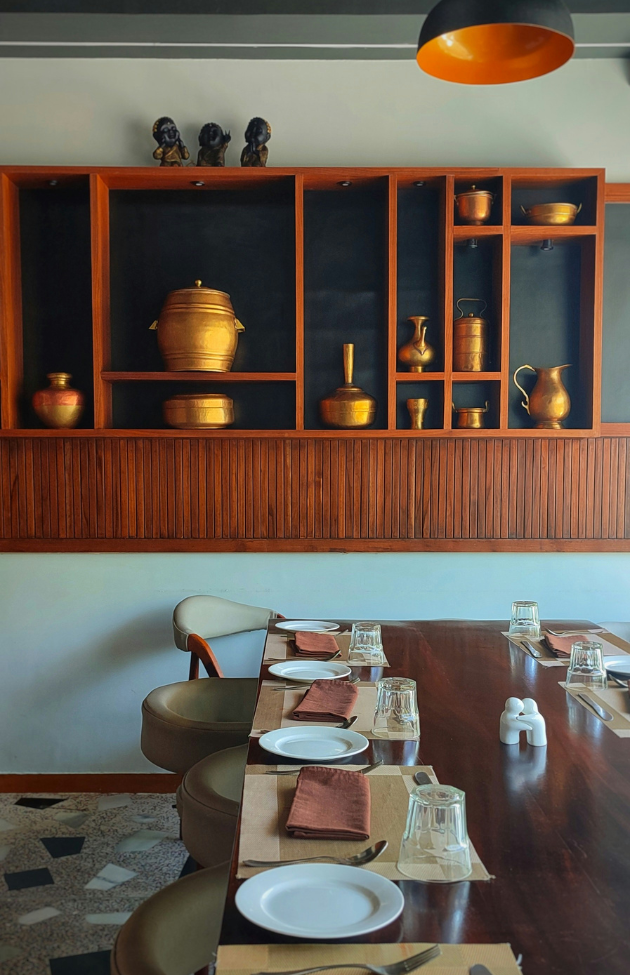
Indian luxury hotels blending artisanal brass details with Michelin-Key worthy dining experiences
Artisanal brass collections in Indian luxury hotels blending heritage with Michelin-Key worthy experiences.
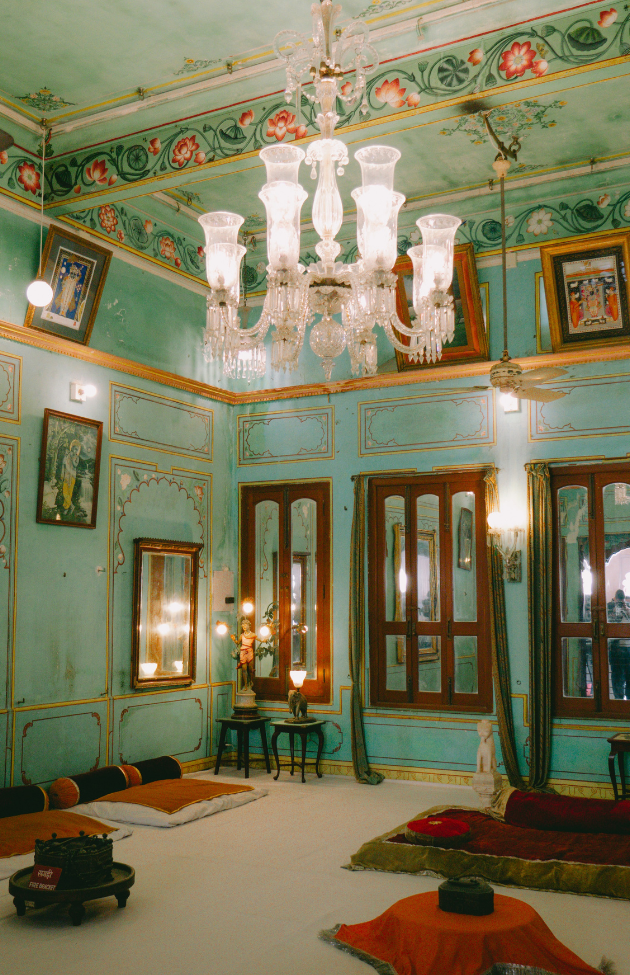
Indian luxury hotels showcasing ornate heritage interiors and Michelin-Key worthy design
Ornate interiors in Indian luxury hotels showcasing Michelin-Key worthy experiences through heritage design.

When Remoteness Serves a Purpose

Distance alone does not make a hotel special, but the world’s most remote hotels that succeed use their location with intention. Chamba Camp Thiksey sits at 11,000 feet in Ladakh, and that altitude is not just a statistic. It allows guests to meditate with monks at sunrise, explore centuries-old monasteries, and step into a Buddhist way of life that continues much as it always has. This is remoteness that adds depth to the luxury hotel experience in India.

Diphlu River Lodge in Assam takes a different approach. Located within a working tea estate, it fully embraces daily life on the property. Guests walk through tea gardens with estate managers, taste teas shaped by soil and climate, and eat meals prepared using vegetables grown just steps from their cottages. These remote luxury lodges turn geography into meaning rather than isolation.

The Human Element That Defines Excellence

While many international chains focus on automation and contactless systems, India’s best luxury hotels invest in people. At places like Taj Lake Palace or The Oberoi Amarvilas, staff remember your preference for morning masala chai without asking. Long-serving butlers share stories and tips no guidebook can offer. Concierges build itineraries through conversation, not templates
This approach understands that luxury is personal. Michelin inspectors recognise this as well, which is why they assess how a hotel makes you feel, not just what it provides. Indian hospitality has lived by the principle of atithi devo bhava for centuries, placing care and attention at the centre of every stay.

The Future of Indian Luxury Hospitality

As India’s luxury landscape continues to evolve, the hotels that stand out will not be those chasing international trends. They will be the ones telling stories rooted in their land, history, and people, creating experiences that make sense only here.

Whether it is watching wildlife from a carefully placed machan, learning coastal Kerala cooking from families preserving generational knowledge, or sitting high in the mountains where prayer flags move against the sky, these hotels show that luxury is not about accumulation. It is about feeling. And that is what increasingly defines Michelin Key-worthy hospitality and the future of the luxury hotel experience in India.

In India, Indian luxury hotels are moving away from spectacle and towards experiences ingrained in place and people.

This way of travelling values depth, context, and a strong sense of where you are.
Discover journeys created with this approach at mareeandmeridian.com.
Share this story:
Nidhi Gopal, Co-Founder & Managing Partner at Marée & Meridian, has always been captivated by the stories luxury trains and river cruises tell. Being part of the Maharajas’ Express first voyage marked an iconic moment, inspiring her lifelong passion to explore and innovate in this space. She curates meaningful journeys on trains and river cruises, delighting in grand interiors, flowing champagne, and magnificent destinations, creating experiences that celebrate elegance, discovery, and timeless luxury.