Walking Through the French Quarter of Pondicherry
It’s best early. Cool before the coastal heat sets in, and about the only hour when the cafés are open but not yet busy.
"The streets are mostly empty at this hour, apart from the odd autorickshaw, a few shopkeepers washing down the pavement outside their gates, and a tea vendor setting up on the corner."
This part of the city is not large. Ninety minutes is enough to walk the whole grid, though most people take longer, partly because the streets are photogenic and partly because there is always a café or two calling from a courtyard.
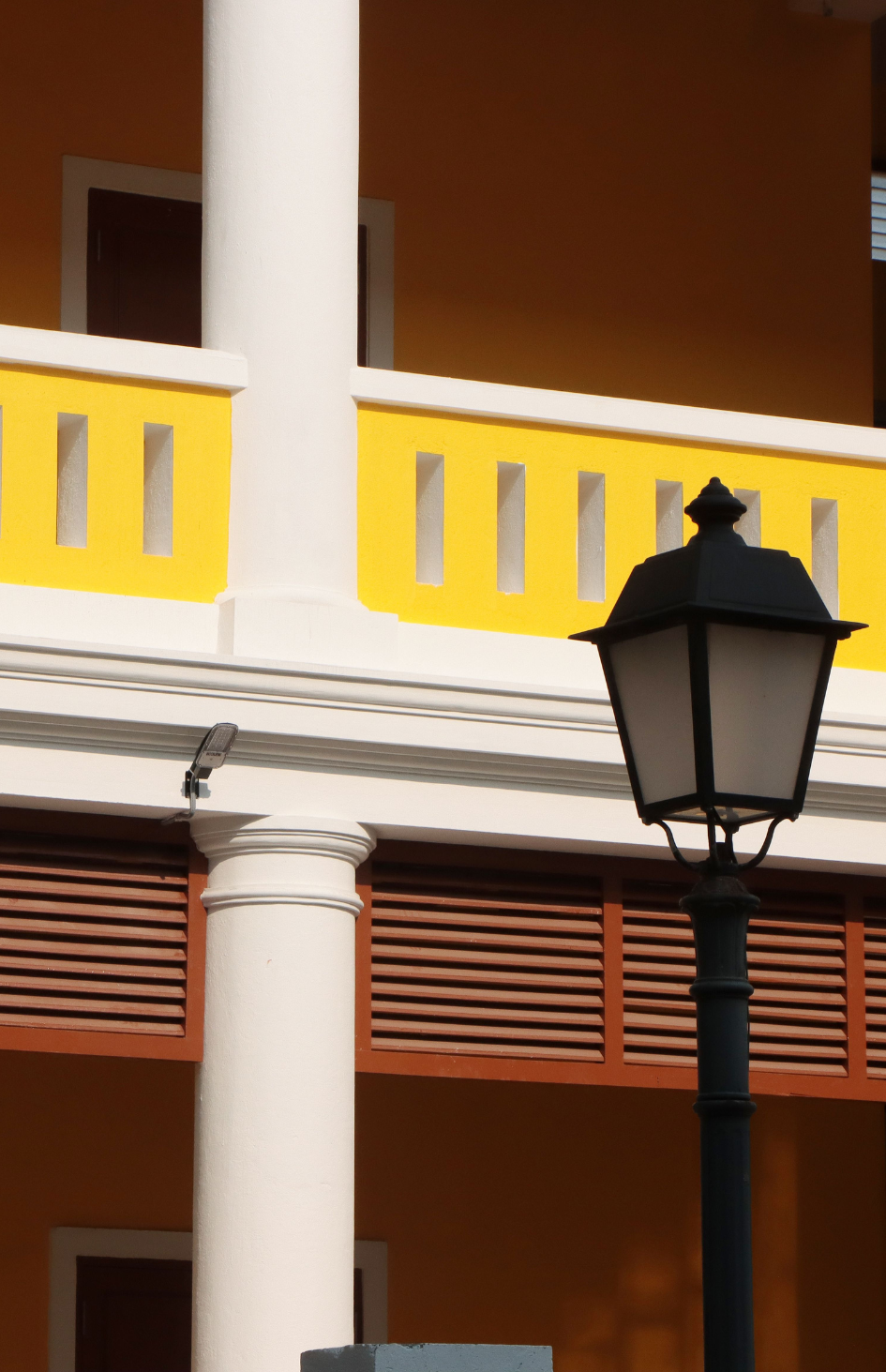
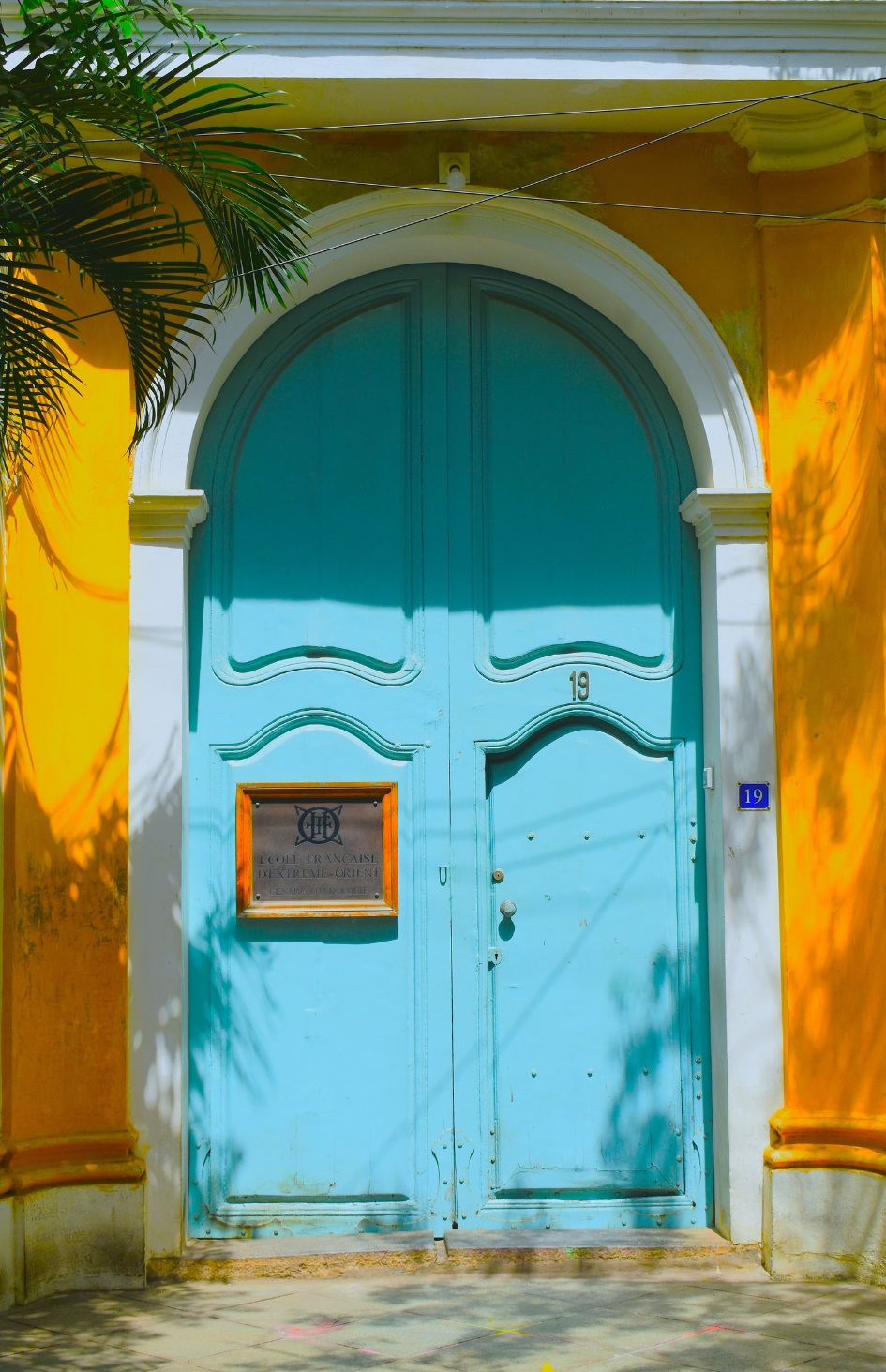
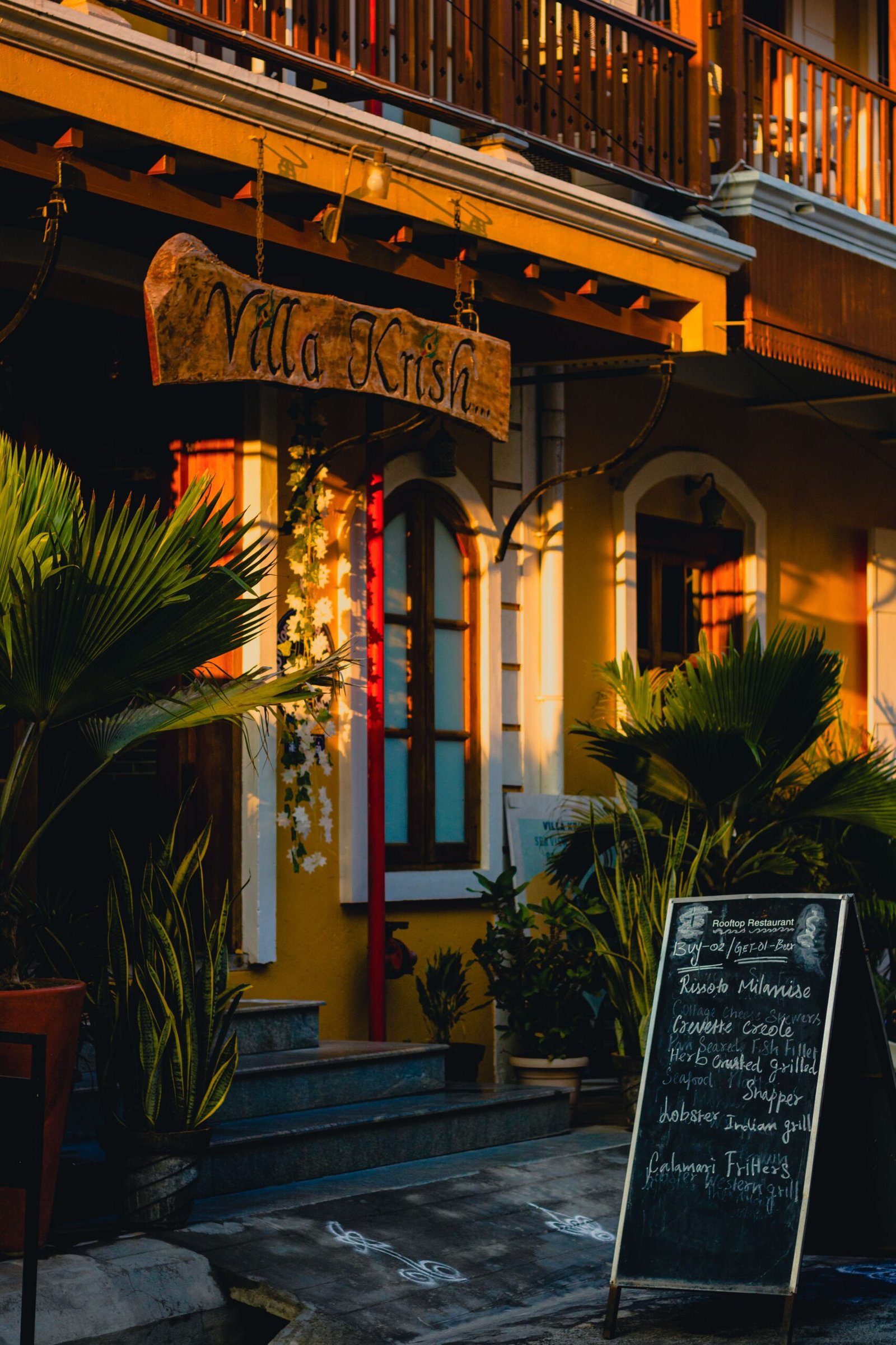
Every wall here is that same shade of mustard yellow with white trim. Shutters are louvred and mostly green. Balconies overhang the pavements in wrought iron. The doors are wooden and heavy, and half of them are propped open in the mornings so the sea breeze can move through the rooms behind them.
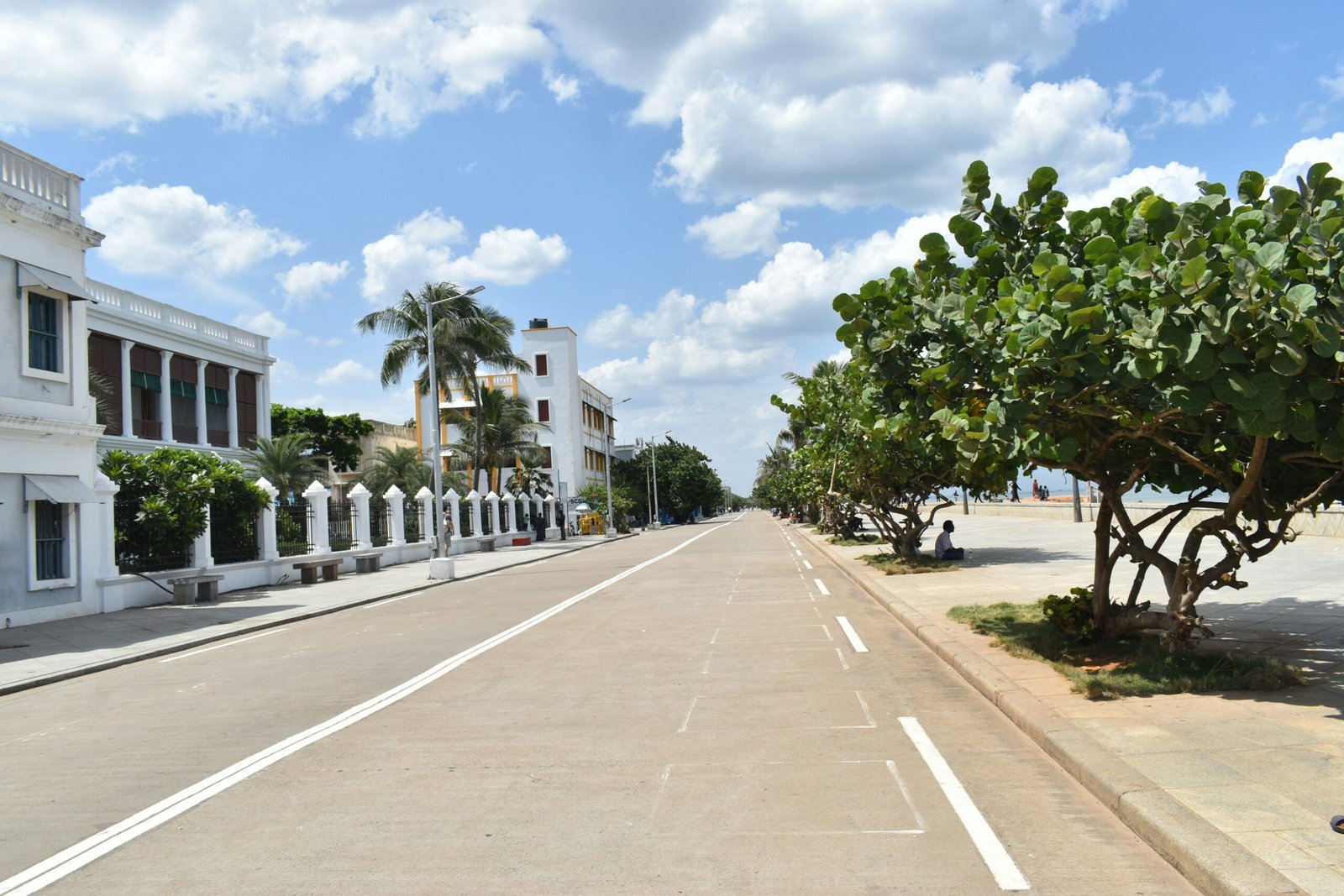
"Every corner has a French name. Rue Romain Rolland. Rue Suffren. Rue Surcouf. Rue Dumas. Follow any of these streets east, and they end at the Promenade, a stone-paved walkway along the Bay of Bengal, closed to cars every evening and filled with joggers and families."
The Chambre de Commerce still handles commerce. The Basilica of the Sacred Heart of Jesus still holds Mass. Cafés along Rue Suffren still serve espresso from machines older than most of their staff. Some of the old villas have become boutique hotels, most kept as they were, and if you take a room in one, breakfast is likely to arrive as fresh baguette, butter, jam, and coffee.
The Two Sides of the Old Canal
For most of its colonial history, Pondicherry was two towns rather than one. A canal ran through the middle. French residents lived to the east of it, in what they called the Ville Blanche, or White Town. Tamil residents lived to the west of it, in what they called the Ville Noire, or Black Town. The names are those the French used, not something Indian historians invented later. The canal has since been paved over and turned into a storm drain, and the physical separation is long gone, though the two sides of the town still feel different.
On the White Town side, cafés serve pastries and boutiques sell handmade paper. On the Tamil Quarter side, temple bells ring at dawn, stalls selling idli, a steamed rice cake eaten across South India, open before six, and the Manakula Vinayagar Temple, dedicated to Ganesha and older than the French arrival, draws devotees all day. Walking between the two takes ten minutes.
Auroville, the Ashram, and What Sits Just Beyond
Two of Pondicherry’s most visited sites have nothing to do with the French period. The Sri Aurobindo Ashram, on Rue de la Marine, was founded in 1926 by an Indian nationalist and philosopher named Sri Aurobindo, who had moved to Pondicherry in 1910 to escape British arrest. His spiritual collaborator, a French woman born Mirra Alfassa but known simply as The Mother, ran the community after 1926 and continued to develop it until her death in 1973.
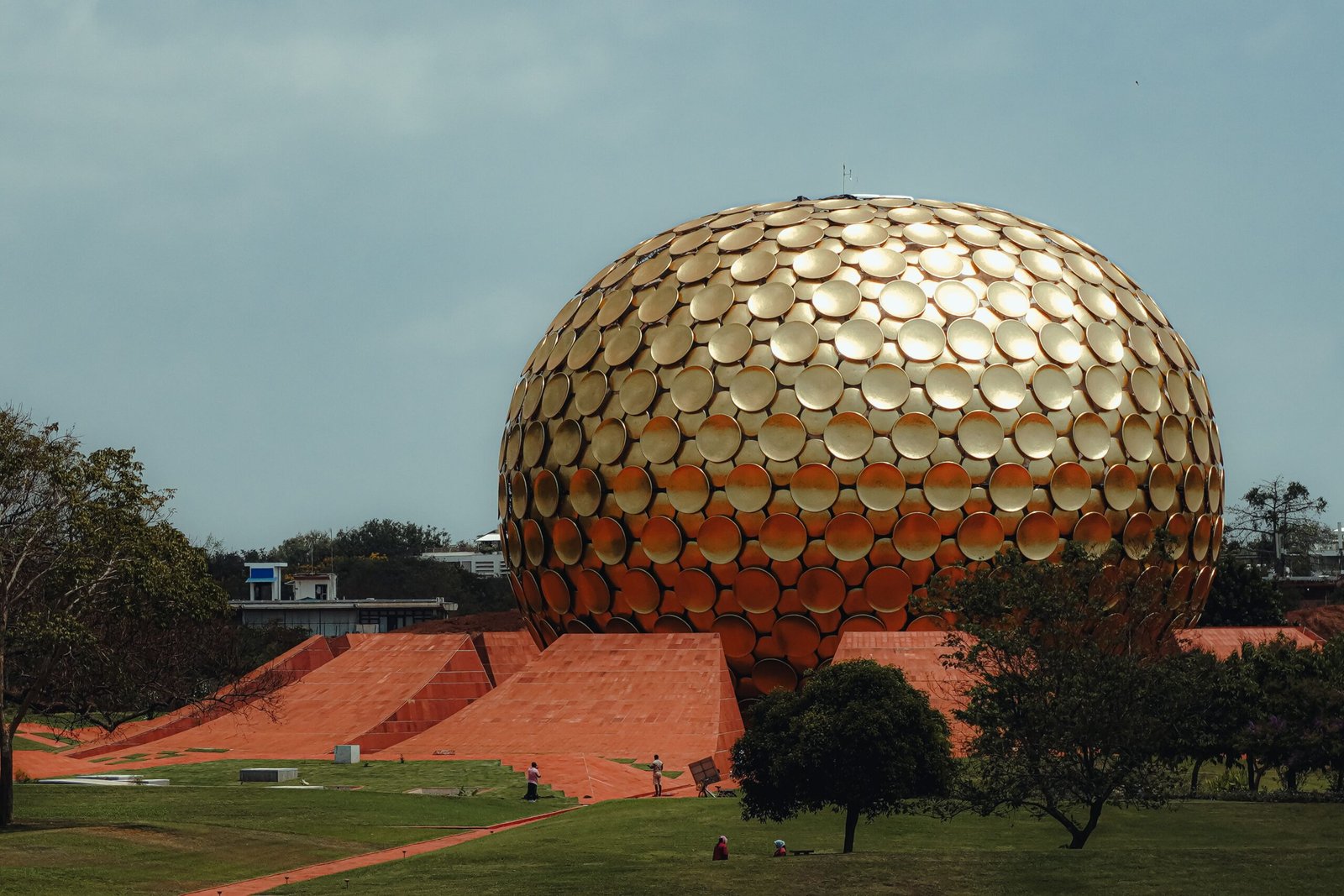
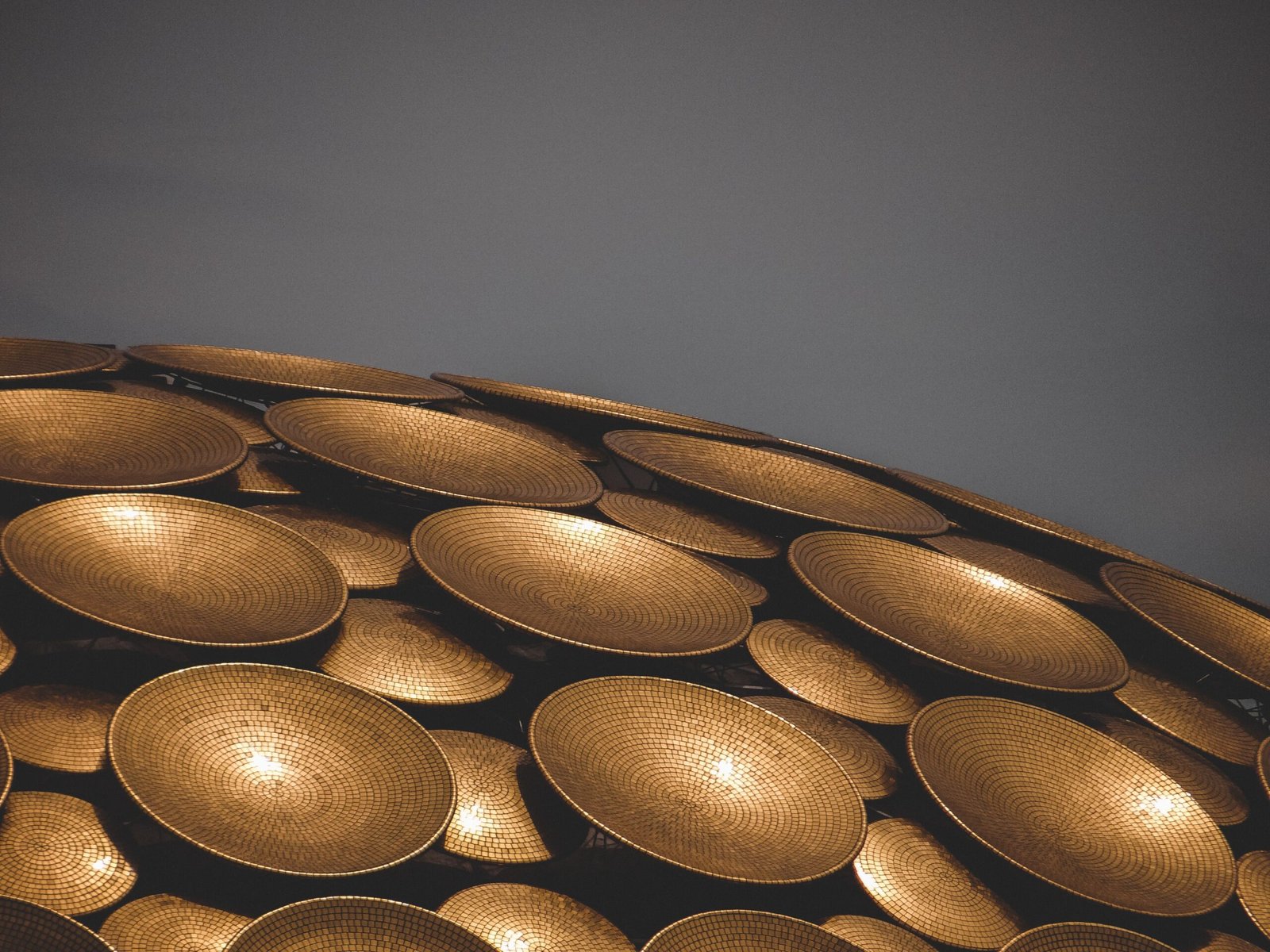
The Ashram sits in a converted colonial villa on the seafront. Visitors take their shoes off at the door and are asked to keep silent inside. Ten kilometres north of town, past low coastal scrub, is Auroville, an international spiritual township The Mother founded in 1968 with the formally declared aim of belonging to nobody in particular, but to humanity as a whole. Around 3,300 people from 61 countries live there. At its centre is the Matrimandir, a 23.5-metre gold-plated sphere used for meditation. Its Inner Chamber can be visited by advance booking.
“Most trains passing through here give Pondicherry a couple of hours and call it a stop. We built The Great Southern Mail to give it the time it deserves. It's a distinction that not every luxury train in India makes.
.”
The town is small, and it becomes obvious within an hour that the French Quarter is walkable rather than drivable. Take a heritage walk in the morning, while the streets are still cool. Order the croissants. Try the French press coffee. Cross the canal at some point in the afternoon and buy something from a Tamil merchant. Watch the sun set from the Promenade.
What Pondicherry has, more than any single monument, is an intact French colonial town that kept working after the colony ended, sometimes nicknamed India’s Little France for exactly this reason. The Canadian novelist Yann Martel set Life of Pi here, the Booker-winning book Ang Lee later turned into an Oscar-winning film.
To join The Great Southern Mail on its next departure through southern India, or to explore other luxury train holidays with Maree and Meridian,
write to us.