A blue palace that happens to move
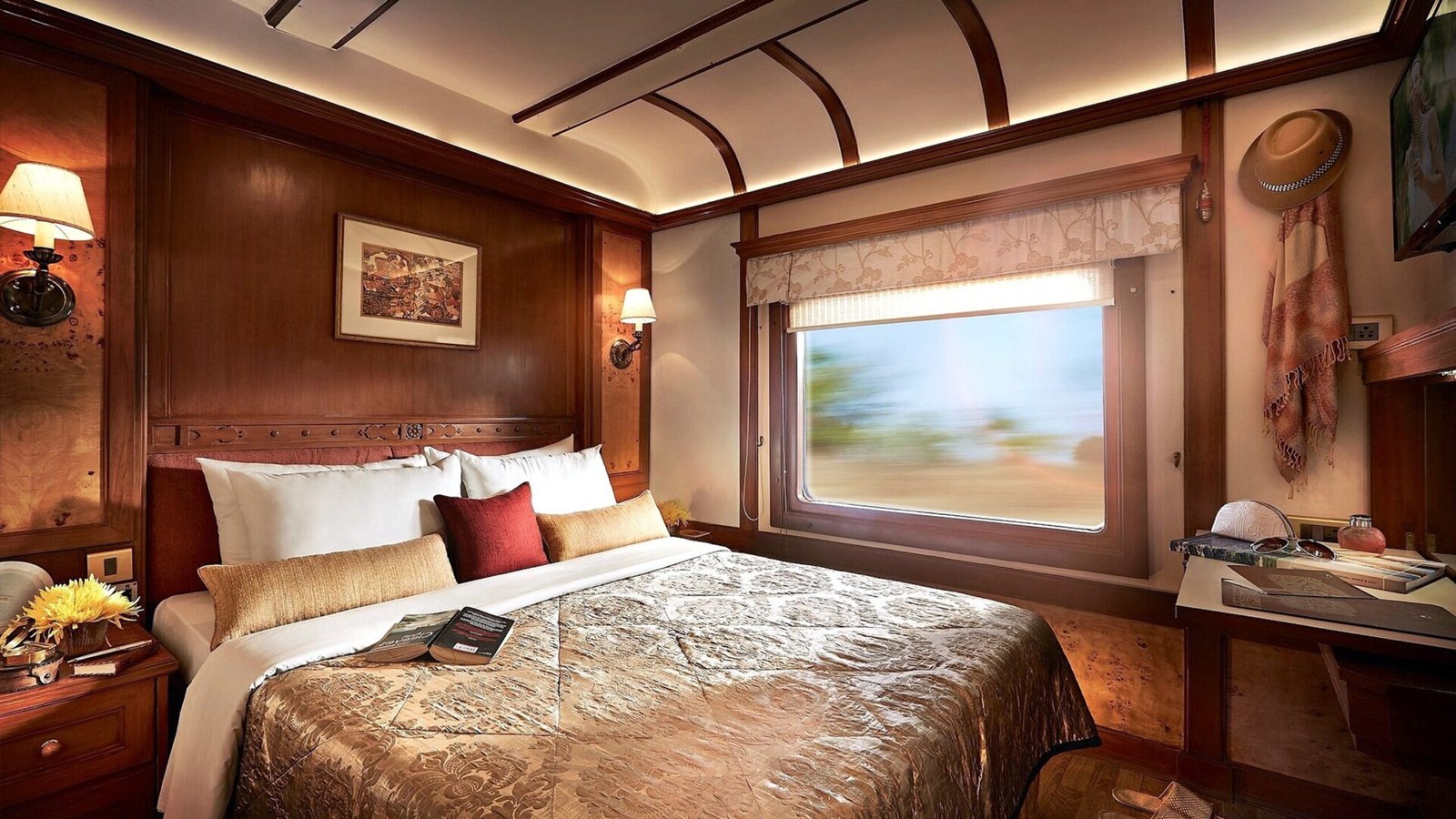
The train has been painted a deep blue since its first run, and it carries fewer than fifty cabins, so it never feels crowded. Each cabin is a private room with its own bathroom, air conditioning and a window worth sitting at, fitted out in the style of an old royal carriage. The larger Presidential Suites add a separate sitting room to the bedroom, which suits a family or a group travelling together.
"What I like about this train is that it never performs its luxury for you. The grandeur is in the detail, not in being told about it."
There are two restaurant cars serving Indian and Western food, a bar, a small library and a spa carriage where you can book an Ayurvedic massage, a traditional Indian oil massage, at the end of a long day. For all the heritage styling, it is one of the more genuinely comfortable luxury train rides in the country.
"Arranging journeys like this one is what we do, so if it is starting to appeal, it is an easy thing to set in motion."
The moments worth crossing a country for
The week runs from Mumbai north through Gujarat and Rajasthan to Agra and Delhi, with a stop somewhere worthwhile every day.
In Vadodara, in the state of Gujarat, part of the day is spent at Laxmi Vilas Palace, a royal home so large it is reckoned to be around four times the size of Buckingham Palace. The family it was built for still lives there and opens part of it for tea. Nearby is Champaner, a walled city that was an important capital around five hundred years ago, then abandoned and never built up again. Its mosques, gateways and old step wells, which are deep stone wells with staircases leading down to the water, still stand in open country with very few people about.
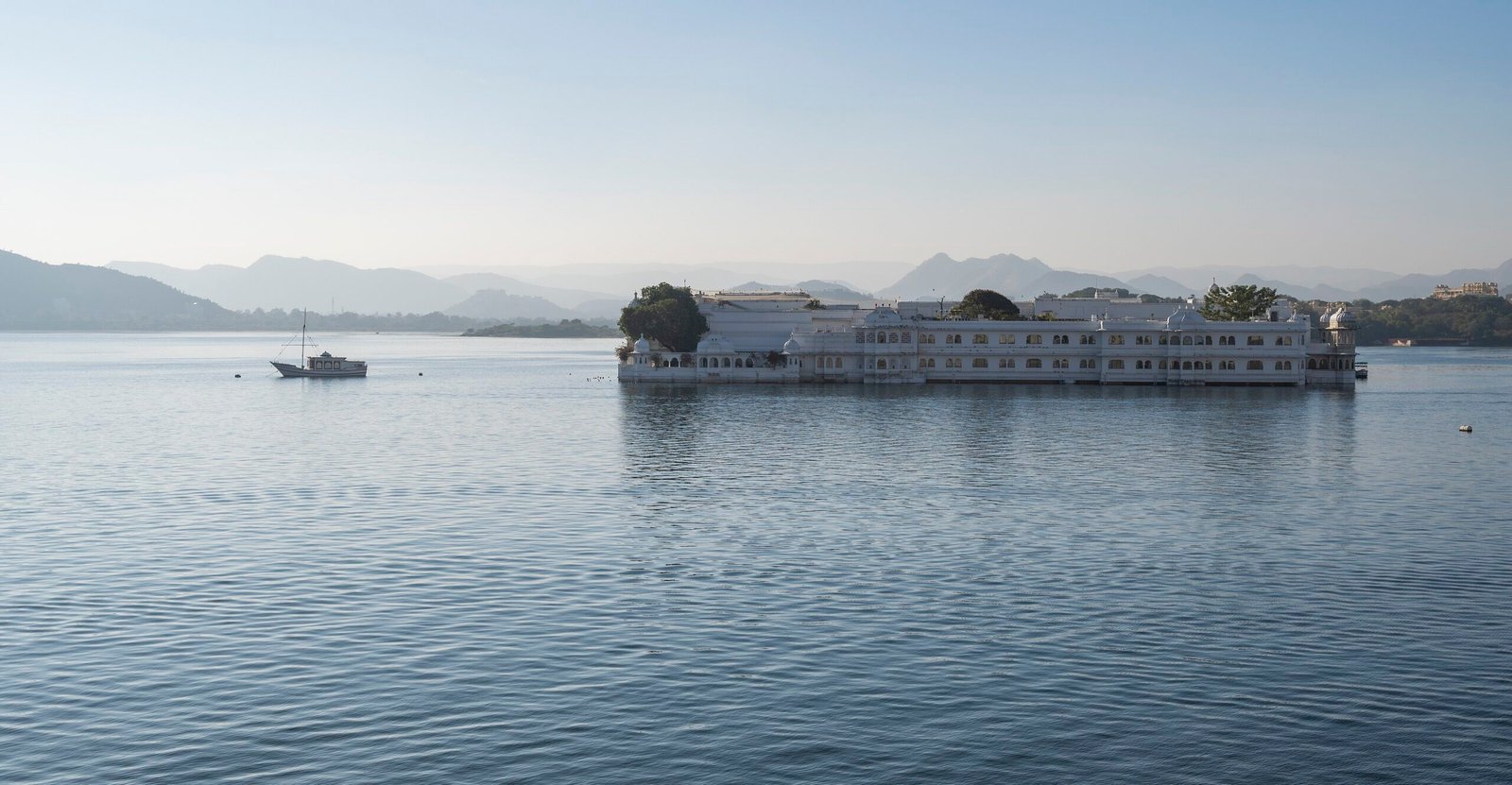
In Udaipur the landscape turns to water, which is rare in a desert region. A boat takes you out on Lake Pichola, a man-made lake more than six hundred years old, past a white marble palace that stands on its own small island and is now a hotel.
Jodhpur sits below Mehrangarh, one of the largest forts in India, built on a rock about 120 metres above the streets. Many of the old houses beneath it are painted bright blue, which is why Jodhpur is known as the Blue City. The Deccan Odyssey arranges dinner inside one of the fort courtyards, which very few visitors ever get to do.
"Eating dinner in the courtyard of a fort that has stood since the fourteenth century is not something money alone usually buys, and it is the part of this trip I would least want to give up."
Jaipur has the building most people photograph, the Hawa Mahal, a tall pink front set with 953 small windows. It was built so the women of the royal household, who lived away from public view, could watch the street and its festivals without being seen. Behind that front, there is almost no building at all. It is barely one room deep, closer to a decorated wall than a palace. Just outside the city is Amer, an older hilltop fort and palace reached by a long ramp.
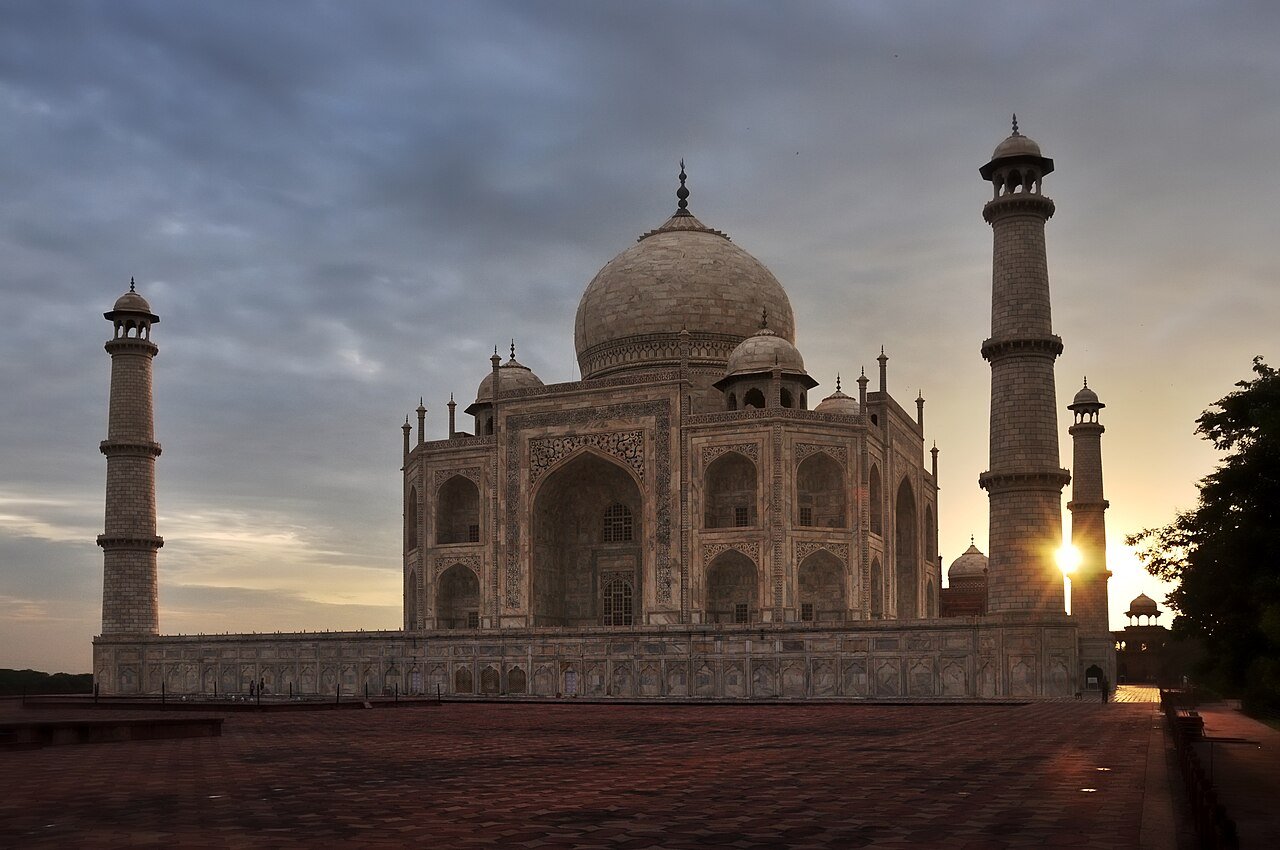
Agra means the Taj Mahal, which is best seen early, before the heat and the crowds arrive. The thing worth studying up close is the flowers that look painted onto the white marble. None of them is paint. Each is cut from coloured stone, carnelian and lapis among them, and set into the marble by hand. Handling a famous sight like this without the usual queues and confusion is the sort of thing the Deccan Odyssey India does well.
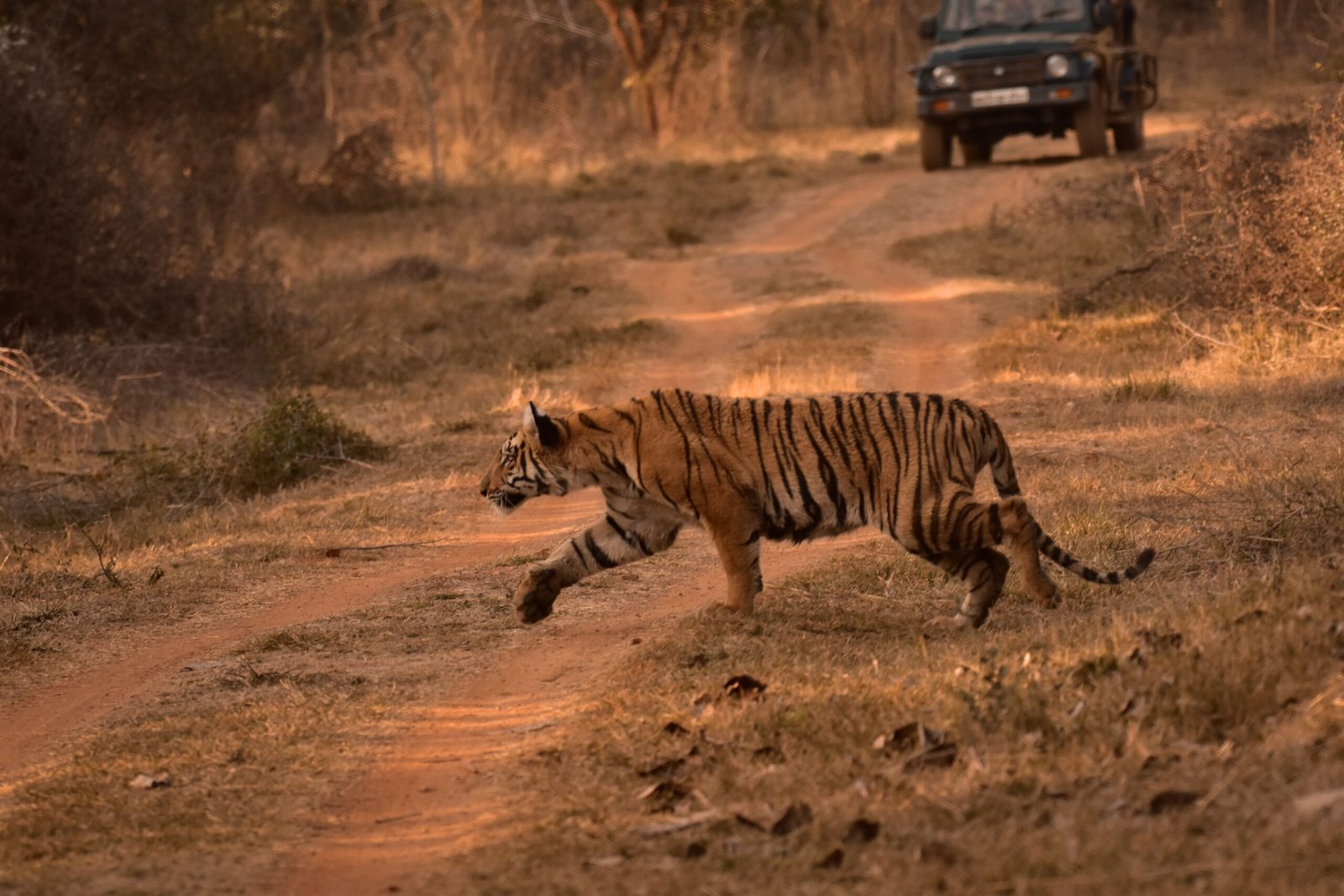
The last of the sightseeing is at Ranthambore, a national park that was once the private hunting ground of the kings of Jaipur and is now one of India’s best-known tiger reserves, and one of the likeliest places in the country to see a wild tiger. A tenth-century fort still stands inside the park, with the remains of old hunting lodges scattered through the forest around it. A safari is never a sure thing. Some mornings bring deer, monkeys, birds and no tiger at all. On the mornings one does appear, it pays the watching vehicles no attention whatsoever.
"Seeing a tiger comes down to luck on the day. Go in hoping for one rather than counting on it, and the safari is worth doing either way."
Why winter 2026, and why now
A word on timing, because it matters more than people expect. There are very few cabins and a great many people who want them, so the winter dates go first and they go early.
For the coming season, the Indian Sojourn departs on 3 and 24 October, 14 November and 19 December 2026, with a few more carrying into January and February 2027 for anyone tempted to see in the new year somewhere between two forts. Every excursion, every meal, every small kindness from the crew is already taken care of. That is the whole appeal of the Deccan Odyssey India, and the reason it stays, to my mind, among the most rewarding luxury train journeys anyone can hand themselves.
"India rewards you and wears you out in roughly equal measure. A week on this train is the rare version that leaves out the wearing-out part."
If a winter of waking to a different India each morning, with someone else minding every detail, sounds like yours, let us hold a cabin for you on the Indian Sojourn. Speak to Maree and Meridian about the 2026 departures.