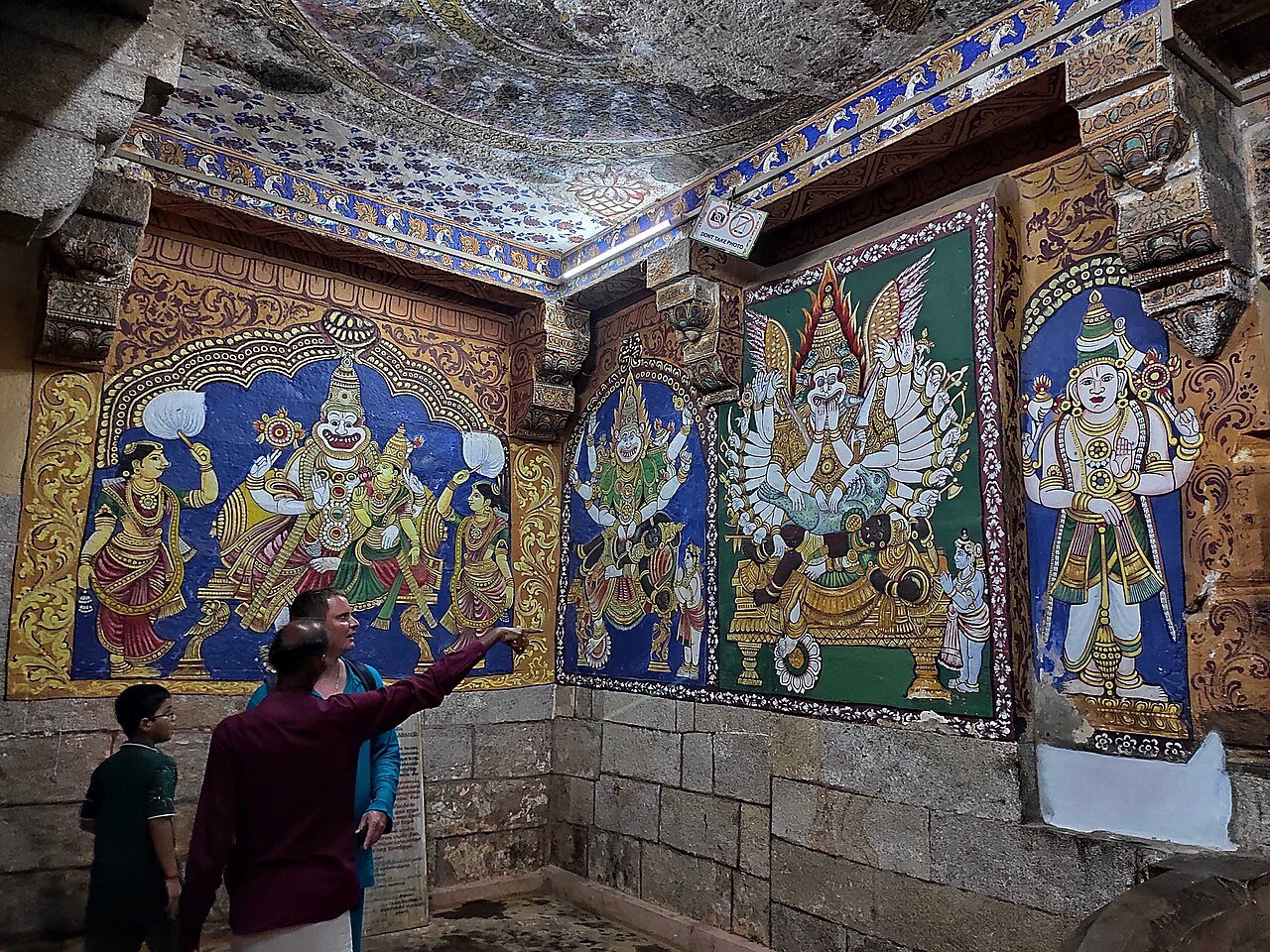
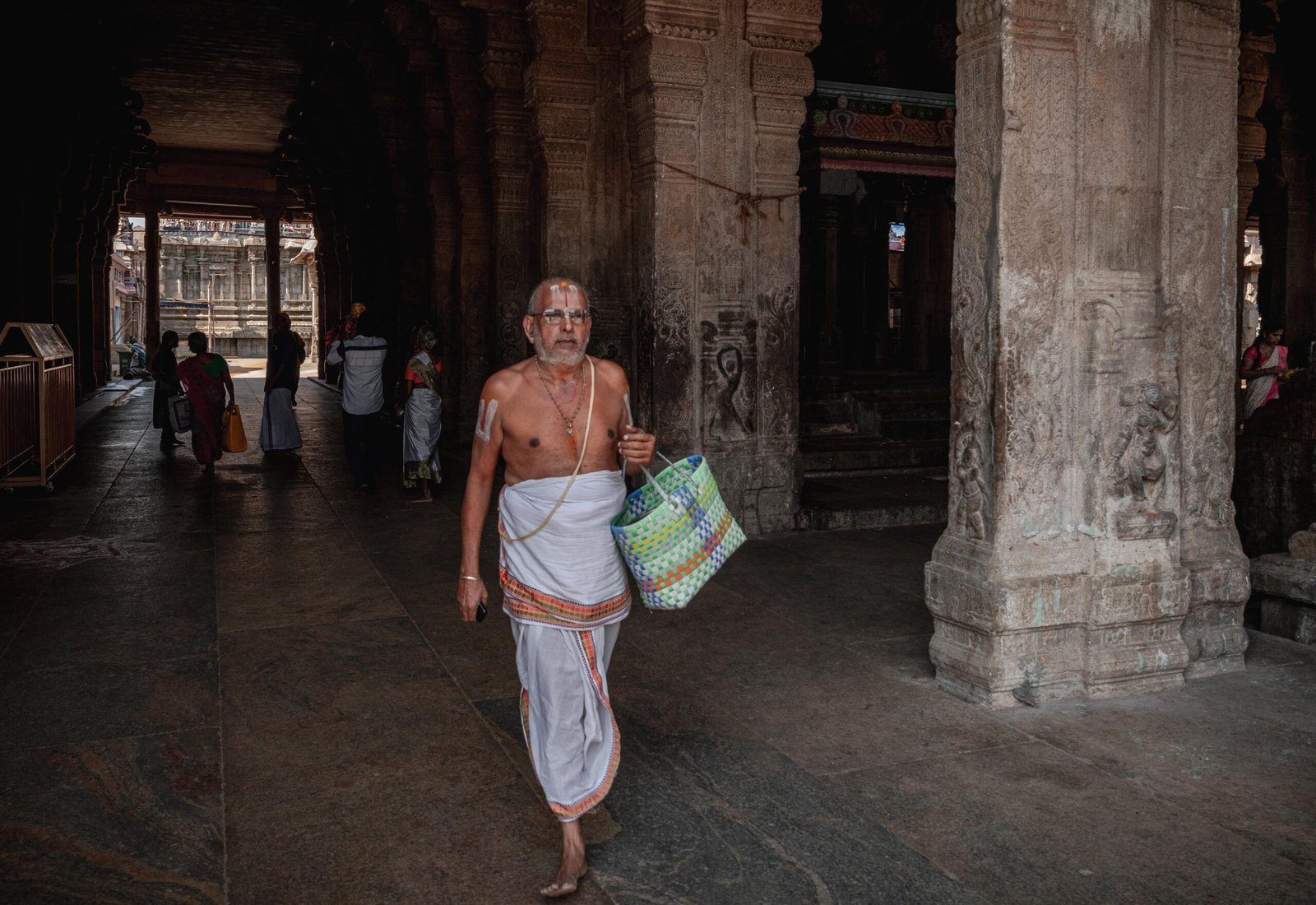
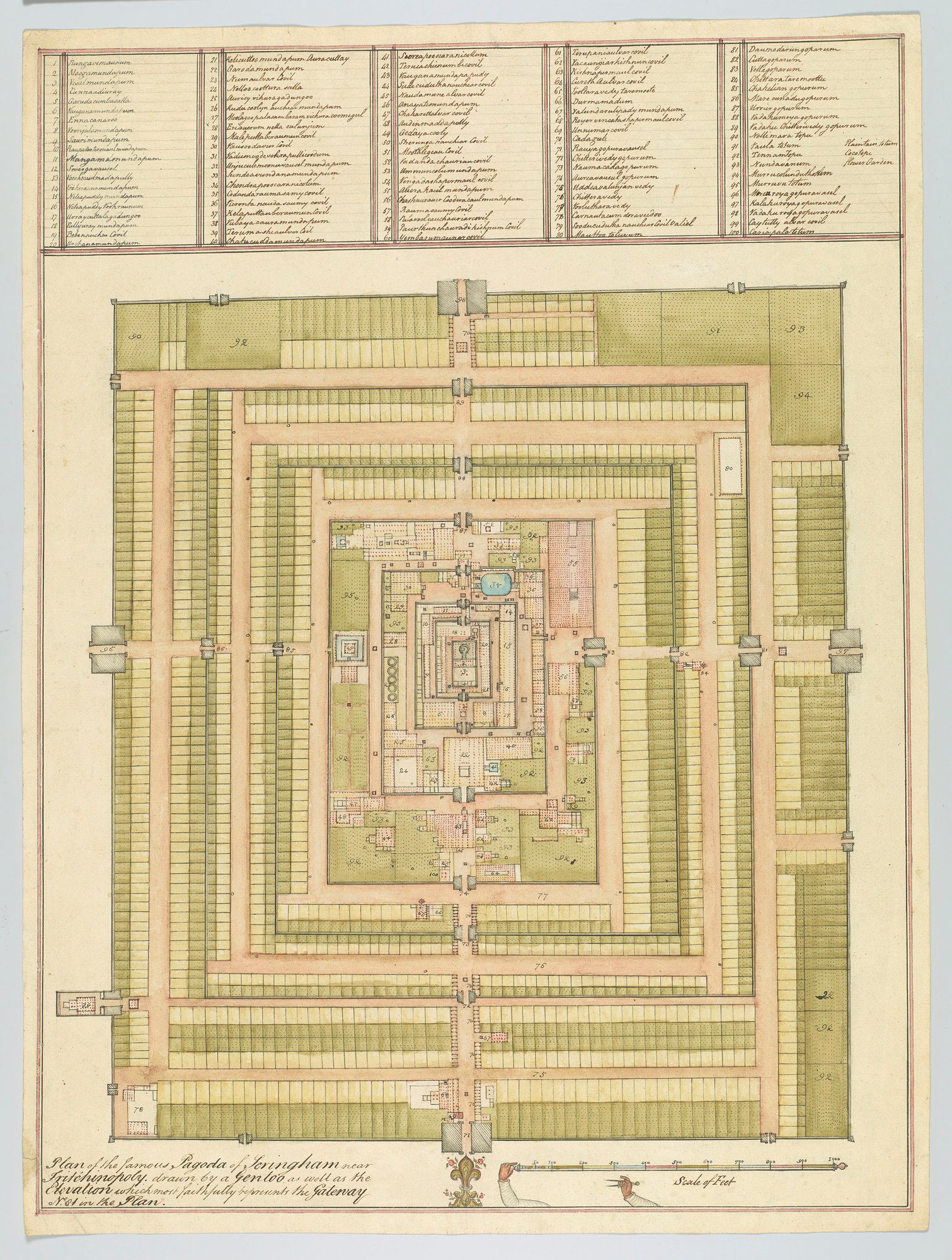
Among the temples in South India, many are extraordinary. What is rarer is one the size of a small city that has stood in near-continuous worship for over a thousand years, survived being sacked by the Delhi Sultanate in 1311, and came back from it. That place is Srirangam Temple. The Sri Ranganathaswamy Temple in Tamil Nadu covers 156 acres, has a perimeter of four kilometres, and holds the title of the largest functioning Hindu temple in the world. Angkor Wat is larger by total area, but it stopped functioning as an active place of worship centuries ago. Srirangam’s deity was carried to safety during that fourteenth-century raid, returned to the sanctum sixty years later, and has been functioning ever since. For anyone travelling India seriously, particularly through the southern part of the country, it is one of those places that resets what the word “temple” means.
Tour
Nidhi Gopal
August 14, 2026
The deity worshipped here is Ranganatha, a reclining form of Lord Vishnu. Srirangam is the foremost of the 108 Divya Desams, the sacred Vishnu shrines regarded as the highest in spiritual significance in the Vaishnavite tradition.
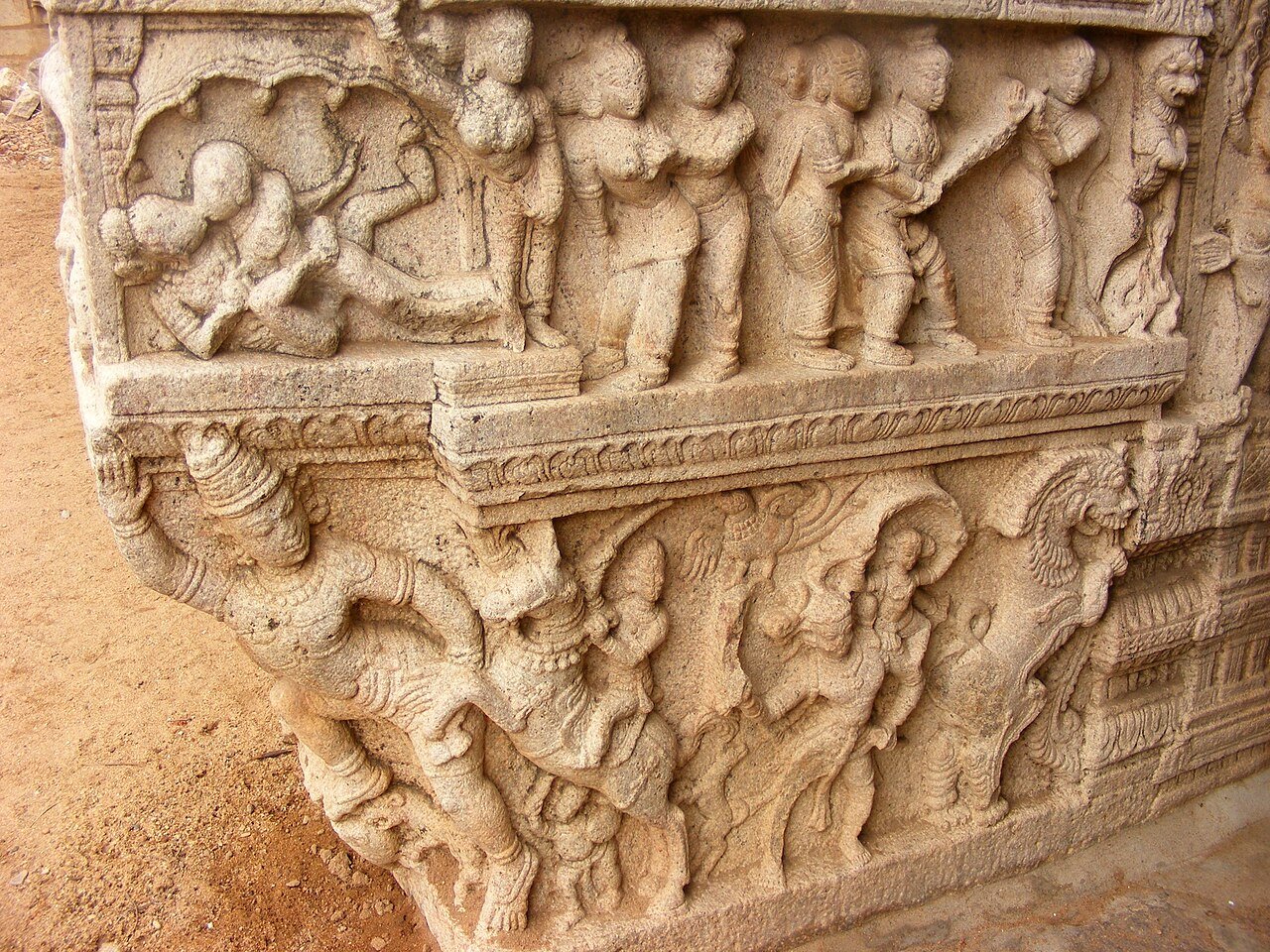
The poet-saints called Alvars composed 247 hymns in praise of Ranganatha, compiled in the Nalayira Divya Prabhandam. Eleven of the twelve Alvars are associated with this temple. The religious weight this place carries within the Hindu tradition is not incidental. It is the entire reason a succession of medieval dynasties, the Cholas, the Pandyas, the Hoysalas, the Vijayanagara kings and the Nayaks of Madurai, all poured money and stone into it across seven centuries.
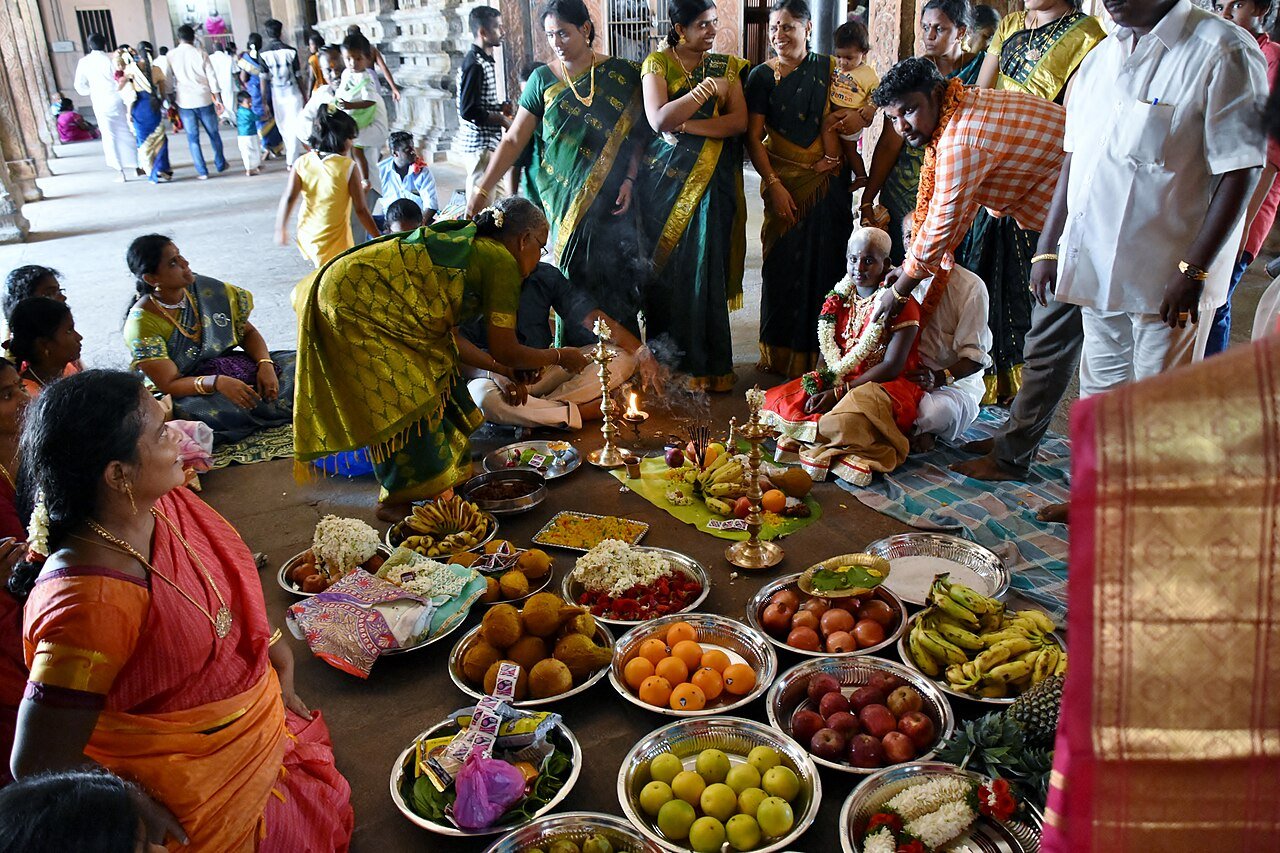
Most visits to temples in South India happen in isolation. The Great Southern Mail builds Srirangam into Day Three of its crossing of southern India, aboard the Deccan Odyssey, one of the best train rides in India, among the finest examples of luxury train journeys India produces at this level.
Morning at Tiruchirappalli means the visit happens in the cooler early hours, before the train continues to Thanjavur for two UNESCO-listed Chola temples and a private bronze-casting workshop at Swamimalai.