Ayutthaya, and the Ruins That Need the Right Kind of Arrival
The first stop is Ayutthaya, an hour or so north of Bangkok. By plane, it is a day trip. By car, it is a stop on a day trip. By train, after twenty-four hours of slowing down, it is something else.
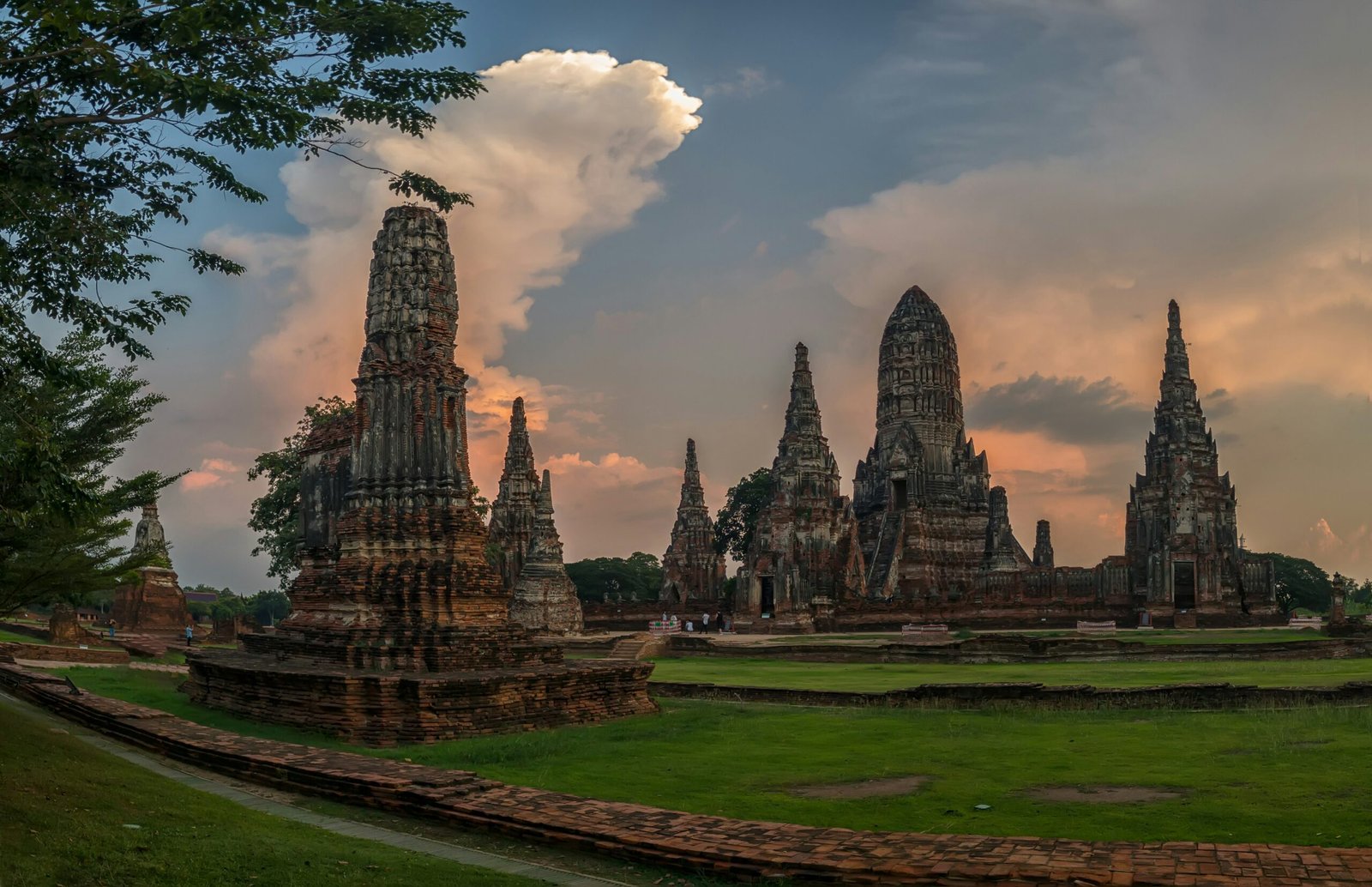
You arrive at a venue with traditional wooden architecture and a lotus pond, where lunch is served in the open air, and then continue by tuk-tuk into a UNESCO World Heritage archaeological park. What was once one of the great trading capitals of Asia is now a landscape of brick towers and headless Buddhas, most of them taken later by collectors and now sitting in museums abroad. At Wat Mahathat, a single Buddha head sits cradled in the roots of a banyan tree that has grown around it across decades. The custom is to crouch when you look at it, because Thai etiquette does not allow the visitor’s head to be above the Buddha’s. That detail, more than any plaque or guidebook, is what stays with you.
Late afternoon, you board the train again, this time bound for Uthai Thani.
“The most striking thing about Ayutthaya is not what was lost. It is the dignity of what remains. The brick towers have stood through two and a half centuries of weather and looters, and they are not finished standing.”
Uthai Thani, and the Mirror Temple Not Many Know Of
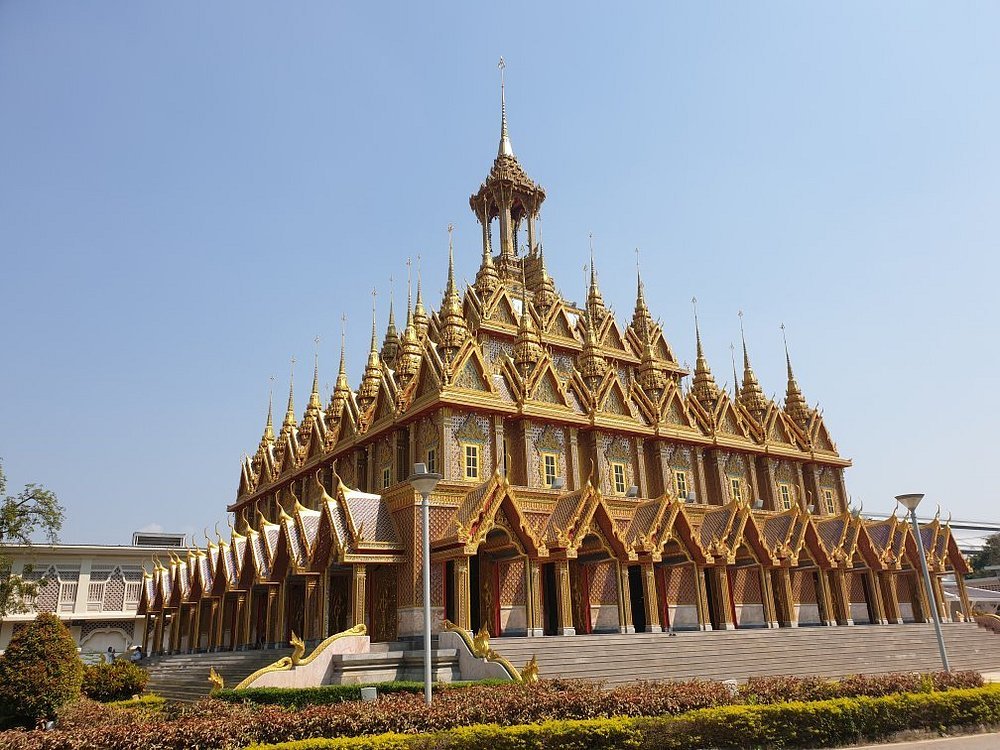
Uthai Thani is the stop that surprises everybody. Most travellers have never heard of it. Most travel guides skip it. It is a small, unfussy province a few hours north of Ayutthaya, and the only reason to come here is the pair of temples, Crystal and Golden, which are by some distance the most unusual you will see in the country.
The interiors were reimagined by a celebrated Thai monk, and what he built is unlike anything else. Halls clad on every interior surface in mirrored mosaic, with chandeliers, glistening columns, and a single golden Buddha as the focal point. Light enters and refracts in ways difficult to describe without sounding evangelical. He held that the clarity of the surfaces was a deliberate metaphor for the clarity of the meditative mind. Inside, you do not need this explained to you.
“Few travellers stop in Uthai Thani. The ones who do tend to, write about it for years.”
Where you sleep that night is just as memorable. The hotel was once a private school, and has been preserved with such care that it has a slightly disorienting effect of returning you, somehow, to your own childhood. Before sunrise the next morning, the small group walks down to the Sakae Krang River to give alms to the monks who arrive from the temple opposite, food baskets in hand. Lunch that day is on a traditional rice barge floating along the same river. By the time you reboard the train for the journey north towards Chiang Mai, the day has already given more than most full days of travel manage to.
Chiang Mai, A City That Has Always Been Slightly Somewhere Else
You wake the following morning to the mountains.
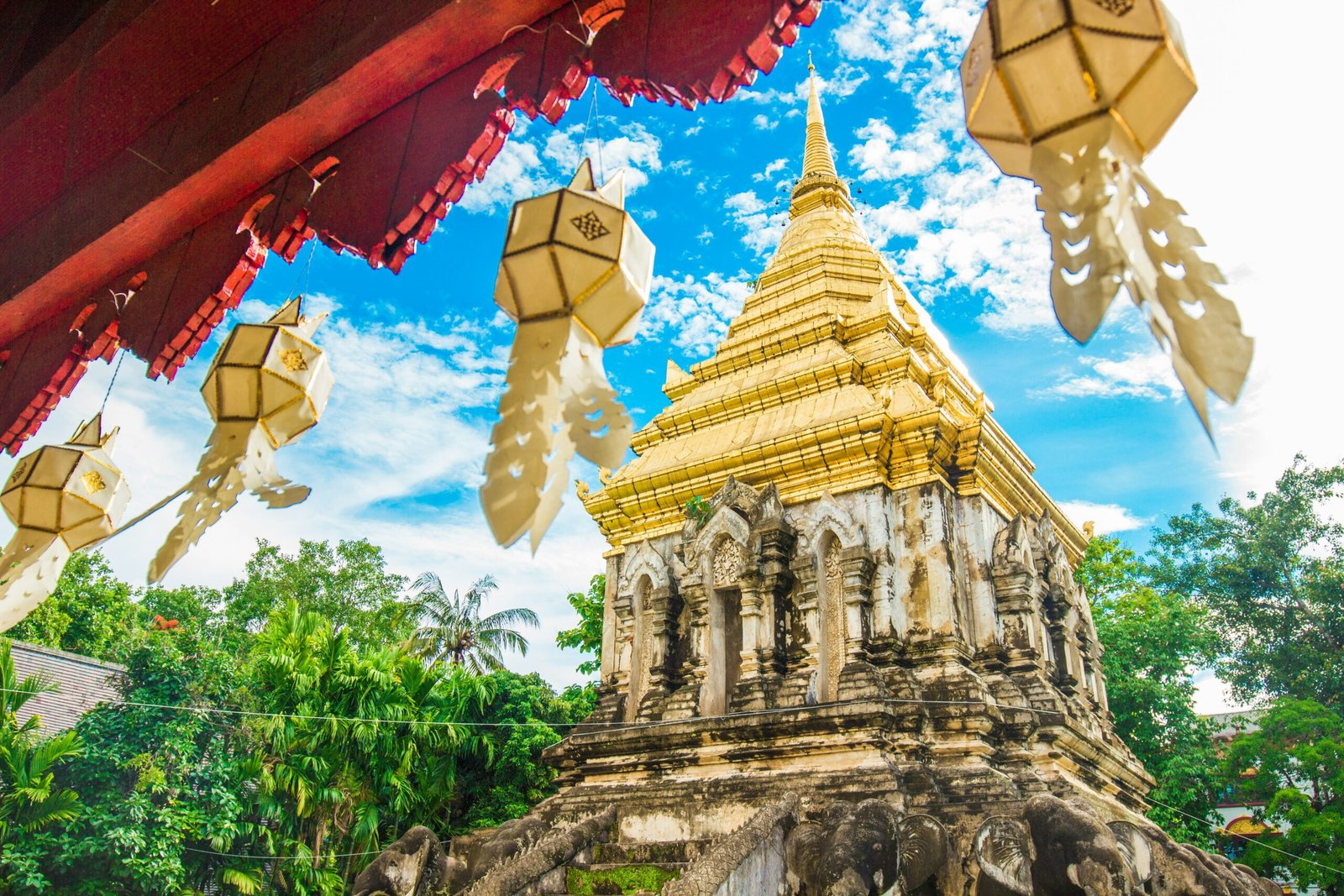
Chiang Mai was once the capital of the Lanna Kingdom, an independent state for two and a half centuries before its absorption into Siam. The temples here look subtly different. The food is distinct, slower-cooked and herbal. The mountains are visible from almost everywhere, and the people speak more slowly because they are not in a hurry. By the time the train drops you here, after several days of slow rail travel through northern Thailand, you arrive ready to receive the city on its own terms.
A guided afternoon takes you through the historic temples in the old city, all built in the unmistakable Thai-Lanna style. Dinner that evening is at a restaurant serving authentic Northern Thai cuisine, the kind that bears no resemblance to anything served in Bangkok.
“The mountains are not background. They are the reason the city exists. Every temple in the old city faces them, and every dinner table worth booking has a window onto them.”
The next day is for elephants. The category of ethical sanctuary usually inspires scepticism, and properly so. This one was the real thing. The elephants were rescued, the handlers were unaffected, and the morning was spent walking alongside the animals as they bathed in the river, as per their usual routine.
That evening is one of the journey’s set pieces. A drive into the hills to a hidden mountaintop retreat, where dinner is served at a small farm-to-table restaurant. Live classical music plays as the sun drops behind the mountains. You eat slowly because nobody wants the evening to end.
Sukhothai, A Park Best Seen at First Light, By Bicycle, Alone
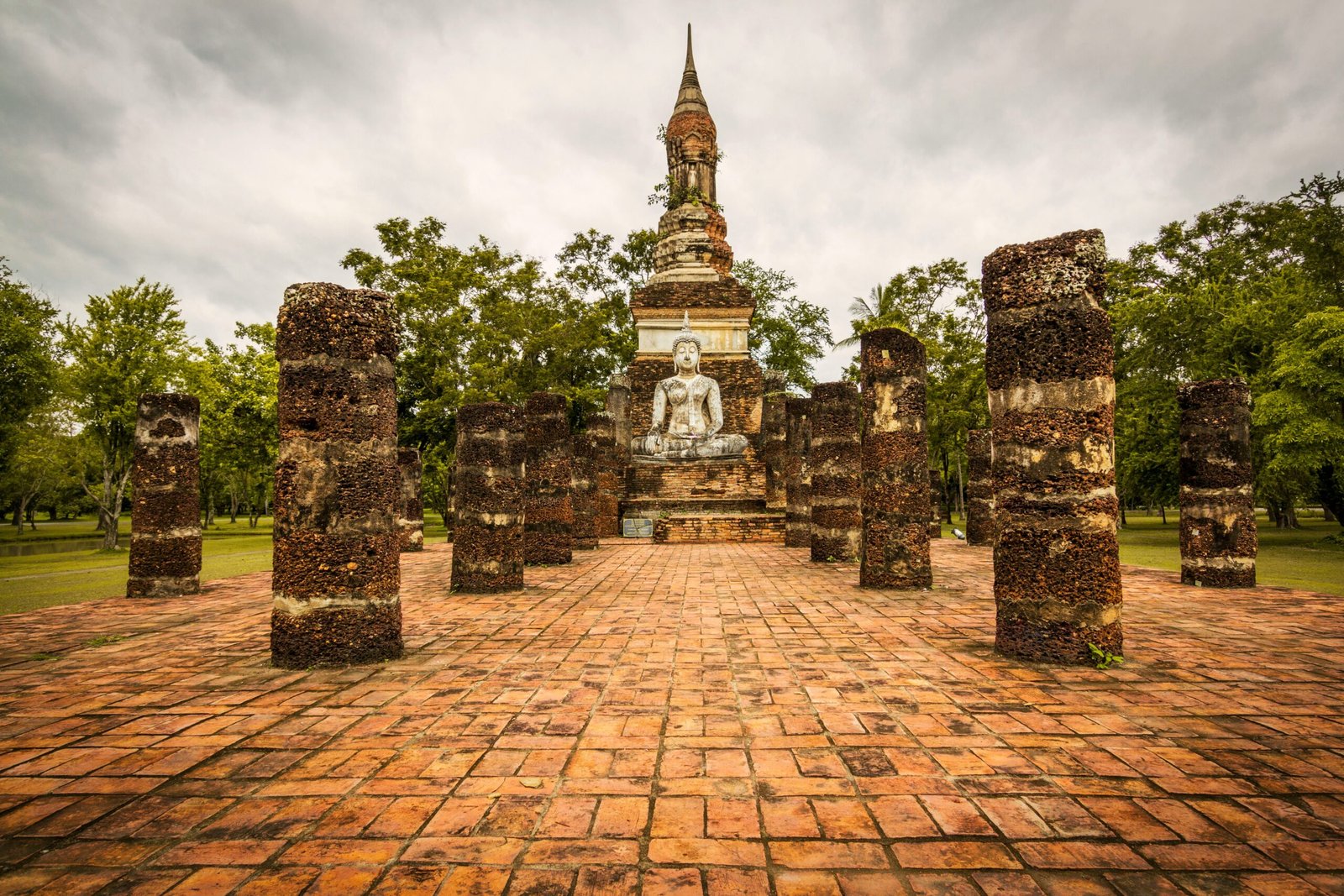
Sukhothai is where Thailand began. The Thai alphabet was invented here. Theravada Buddhism was made the state religion here. The walking Buddha images you see throughout the country, mid-stride and robes flowing, were a Sukhothai invention. The name of the place translates as the dawn of happiness, and it earns it.
You arrive in the late afternoon, after a scenic ride from Chiang Mai through majestic mountains and red-stone tunnels, and your first stop is an ancient temple where the architecture is allowed to do its own talking. Dinner is a barbecue in a garden. Traditional dance and singing performances unfold under a sky uninterrupted by cities.
The next morning is the one most guests remember. The Sukhothai Historical Park is enormous, and the best of it happens at first light, when the park is empty, and the lotus ponds are cold, and the temple spires double in the water. You explore by bicycle or shuttle, alone if that is what you want, and someone the night before will tell you to set your alarm earlier than seems reasonable. They are right.
In the afternoon, a pottery workshop with an artisan whose family has been making the same blue-painted ceramics for generations.
“The bowl I painted was, by any reasonable standard, terrible. I have kept it. It sits on the kitchen counter, slightly crooked.”
There is also a visit to a goldsmith shop, where Sukhothai’s centuries-old gold ornament tradition reveals itself in the kind of detail that does not photograph well and stays with you anyway.
That evening, the train waits at the station. Dinner is served on board after sunset. You sleep as the carriages move south through the dark.
Bangkok, Where the Journey Ends and Begins to Make Sense
You wake on the final day back in Bangkok, in a country you have not seen properly until now.
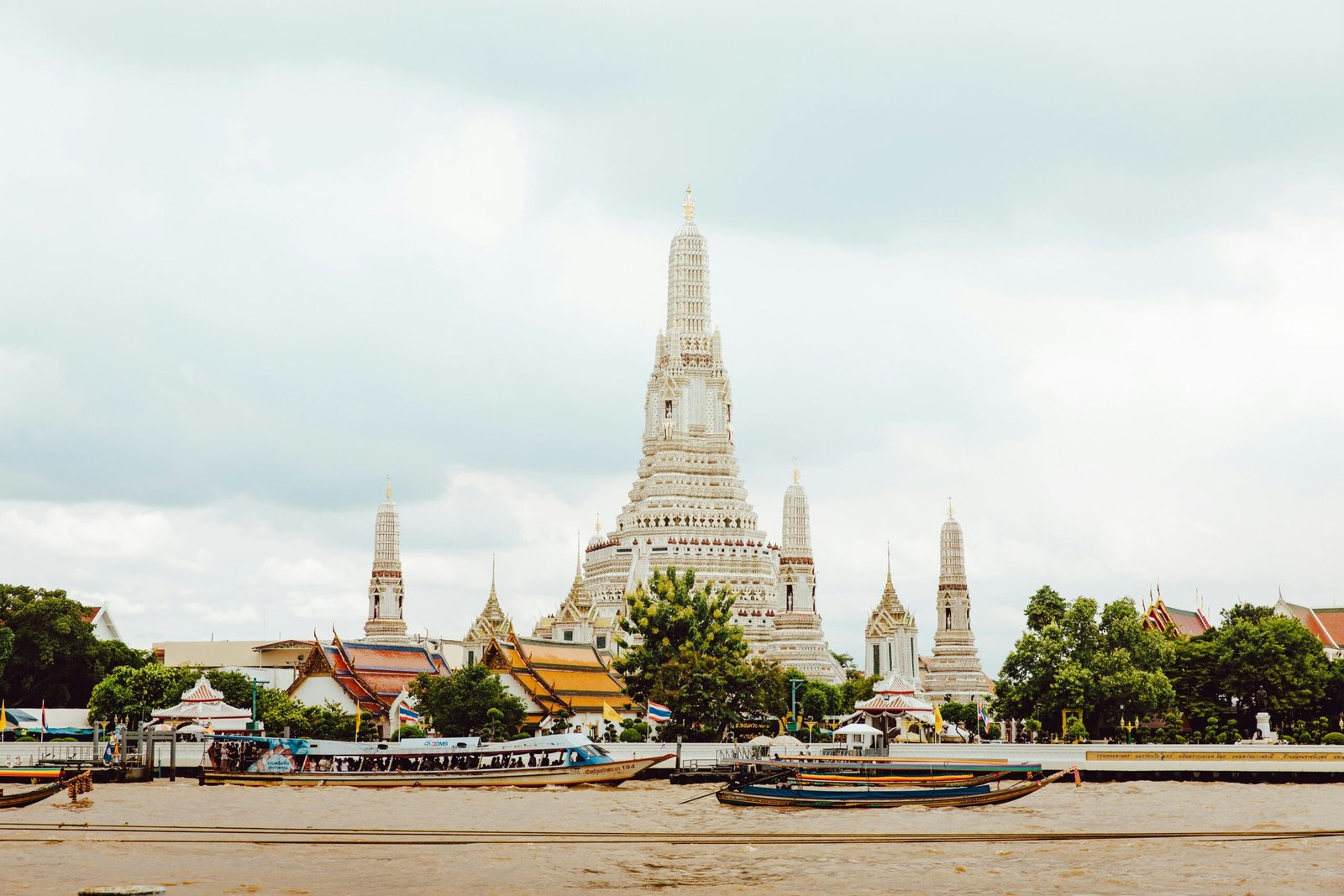
The closing day is intentionally light. There is a Chao Phraya River cruise, gliding past the temples and historic districts of the capital you flew into nine days ago, when you were a different kind of traveller. The destination is a riverside venue chosen for the farewell dinner. By that point in the journey, a few of the thirty-six others have quietly become friends, and dinner stretches longer than it needs to.
“You will book this trip for the train. You will remember it for everything else.”
A Thailand luxury train journey is, in the end, an exercise in what the country gives you when you let it set the pace. The Buddha head in the banyan tree. The mirrored hall in a province nobody flies to. The empty park at first light. The elephants in the river. None of these is a scheduled experience in the usual sense. They are what happens when you book a journey put together by people who understand that the best parts of any great trip are the ones you did not know you were going to have.
I owe most of how well this trip went to Nidhi at Marée & Meridian. She thought of details I had not even known were details. And if a journey such as this is on your list, she is the person to write to.